Families For Life | Choking Prevention and Choking Risks-Babies
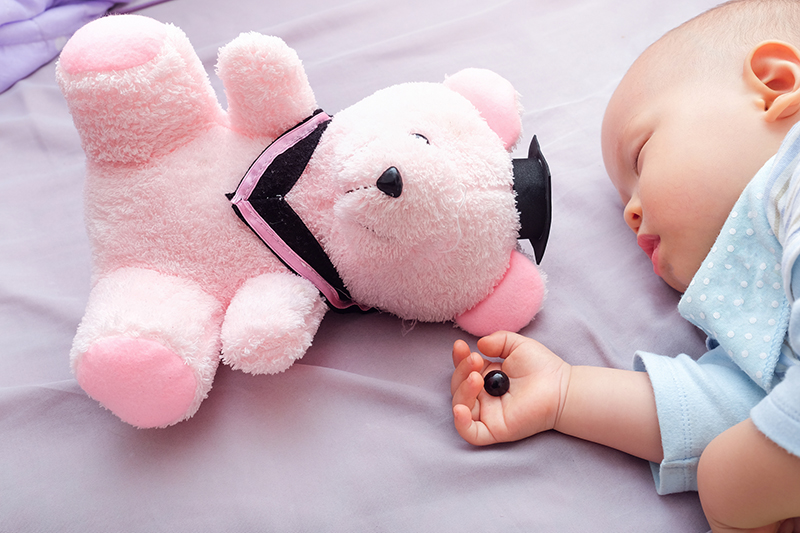
Babies explore the world with their mouths, which means even small everyday items can become choking hazards. In Singapore homes, where children are often surrounded by toys, household items and family meals, it is important to stay alert. As a guide, anything small enough to fit through a 20-cent coin-sized opening could block a baby's airway.
Common Choking Hazards for Babies
Food Hazards
For babies who have started solids, some foods can be difficult to chew and swallow safely. Avoid giving:
Whole nuts and seeds
Popcorn
Hard sweets and marshmallows
Whole grapes and cherry tomatoes
Raw hard vegetables such as carrots
Meat or fish with bones
Large chunks of fruit or food
Always prepare food in age-appropriate textures and sizes for your baby's stage of development.
Household Hazards
Small objects found around the home can be dangerous if a baby picks them up and puts them into their mouth. Watch out for:
Coins
Button batteries
Magnets
Jewellery
Pen caps
Tablets and chewable vitamins
Small stickers and decorative items
Toy Hazards
Check toys regularly for loose or broken parts. Common risks include:
Marbles
Small toy pieces
Detached eyes or buttons from soft toys
Deflated or burst balloons
Safe Feeding Tips
As your baby learns to eat, simple habits can help reduce the risk of choking.
During Mealtimes
Always stay with your baby while they are eating.
Seat your baby upright in a high chair or appropriate feeding seat.
Avoid feeding while your baby is lying down, crawling, playing or crying.
Do not put your baby to bed with a milk bottle.
Preparing Food Safely
Offer soft foods that are suitable for your baby's age and chewing ability.
Mash, grate or cook hard fruits and vegetables until soft.
Remove bones, seeds and pits from food.
Cut food into small pieces before serving.
Making Your Home Safer
Babies can quickly find and pick up tiny objects.
Keep small items out of sight and reach.
Check floors, play mats and low surfaces regularly for loose objects.
Choose toys designed for your baby's age group.
Ensure battery compartments are secure and store spare button batteries safely.
If there are older siblings at home, encourage them to keep small toys, beads and building blocks away from the baby.
Babies Who May Need Extra Support
Some babies may have medical or developmental conditions that affect swallowing and increase their risk of choking. If your baby has a condition such as reflux, cerebral palsy, epilepsy or other feeding difficulties, speak to your doctor or healthcare professional for advice on safe feeding practices.
Key Takeaway
Even with careful supervision, accidents can happen. Learning infant choking first aid can help you respond quickly and confidently in an emergency. Knowing what to do could make a critical difference while waiting for medical help to arrive.