Families For Life | Healthy Screen Time and Quality Media Choices: 0-2 Years-Babies
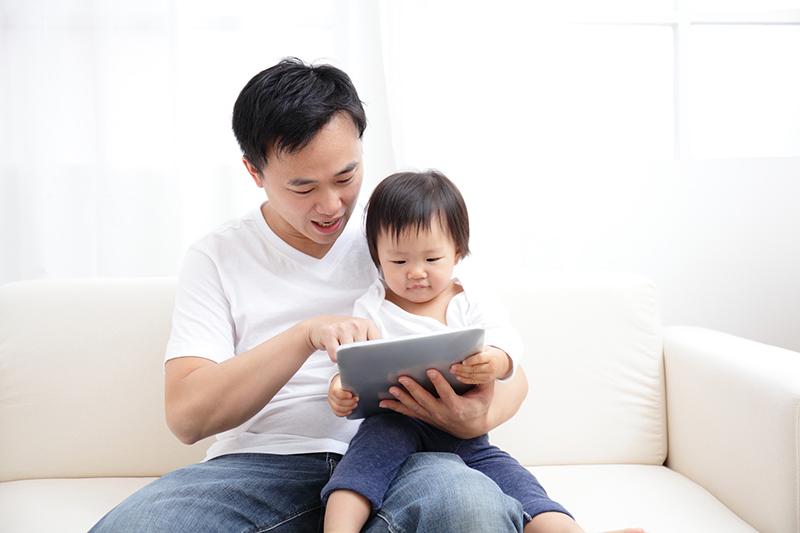
Screens are everywhere in modern life, but during your baby’s first year, real-life interactions are far more important for learning and development. Talking, cuddling, singing, reading and playing with your baby help build strong connections and support healthy brain growth.
What Counts as Screen Time?
Screen time refers to time spent using devices such as televisions, smartphones, tablets, computers and video game consoles. For babies, this may include watching videos, television programmes or other digital content on a screen. While technology can help families stay connected, not all screen use is the same. For example, video calls with grandparents or relatives can be interactive and support social connections, while passively watching videos offers fewer developmental benefits for young babies.
Screen Time Recommendations for Babies
According to Singapore's Ministry of Health (MOH) guidance on screen use, children under 18 months should avoid screen time, except for interactive video chatting with family and friends.
This recommendation is based on what babies need most during their first year: responsive interactions with caring adults. Looking at faces, listening to voices, exploring their surroundings and engaging in play all help babies learn about the world.
Why Limiting Screen Time Matters
The goal is not simply to avoid screens. It is to make room for activities that support your baby's development. When babies spend less time in front of screens, they have more opportunities to:
Bond with parents and caregivers
Develop language through conversations and songs
Explore through tummy time and active play
Build attention and social skills
Establish healthy sleep routines
Even simple daily moments, such as chatting during a diaper change or pointing out things on a walk around your neighbourhood, help your baby learn.
When Screens Can Be Helpful
For babies under 12 months, the main exception is video chatting. Seeing and interacting with loved ones through a live video call can help babies recognise familiar faces and maintain social connections, especially when family members live apart.
Parents can also benefit from using trusted online resources to learn about infant care, child development and parenting. However, these resources are most useful when adults view them separately rather than placing babies in front of screens.
Possible Risks of Too Much Screen Exposure
Slower Language and Social Development
Babies learn language through back-and-forth interactions with people. If screen time replaces conversations, play and eye contact, babies may miss valuable opportunities to develop communication and social skills.
Reduced Physical Activity
Babies need time to move, reach, roll, crawl and explore. Long periods spent in front of a screen can reduce opportunities for active play that supports physical development.
Sleep Disruption
Exposure to screens, particularly before sleep, may make it harder for babies to settle and maintain healthy sleep patterns.
Missed Learning Opportunities
Young children learn best through hands-on experiences and interactions with people. Screens cannot fully replace the rich learning that happens during play, reading and everyday family routines.
Tips for Managing Screen Use at Home
Creating healthy habits early can make it easier to manage screen use as your child grows. Consider these simple strategies:
Keep mealtimes and family interactions screen-free.
Avoid using screens to soothe or entertain your baby regularly.
Put away phones during playtime whenever possible so you can focus on your baby.
Encourage family members and caregivers to follow the same screen guidelines.
Use video calls purposefully to help your baby interact with loved ones.
The Best Screen-Free Activities for Babies
You do not need expensive toys or structured programmes to help your baby learn. Some of the most beneficial activities include:
Talking and singing together
Reading picture books
Cuddling and making eye contact
Tummy time and floor play
Exploring parks, playgrounds and neighbourhood walks
Playing peekaboo and simple interactive games
These everyday experiences help build your baby's language, social, emotional and physical skills while strengthening your bond with them.
Key Takeaway
During the first year of life, babies learn best from people, not screens. Keeping screen use to a minimum, apart from occasional video chats, allows your baby to spend more time exploring, playing and connecting with the people who matter most. Small, screen-free moments throughout the day can have a big impact on your baby's growth and development.