Families For Life | Pacifier: Advantages and Disadvantages-Newborn
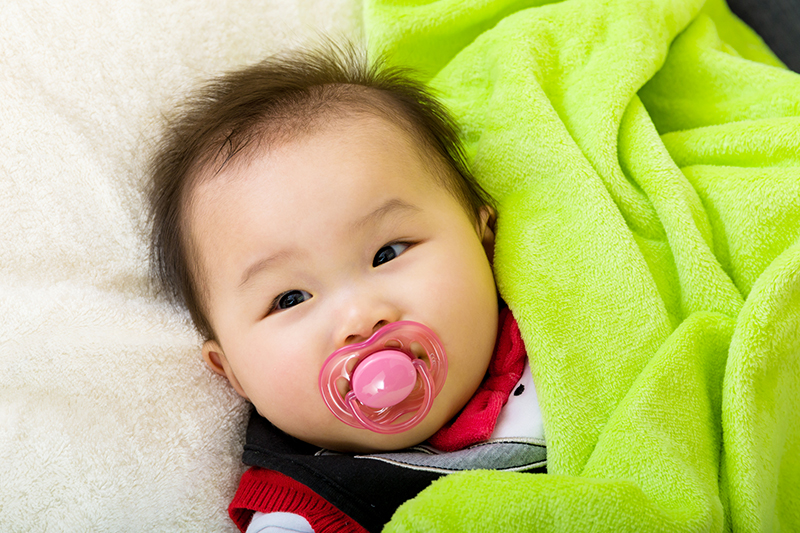
Pacifiers are a common sight in the world of parenting, but opinions on them are divided. Some parents swear by them, while others prefer to avoid them altogether. Here is a balanced look at some of the advantages and disadvantages, so you can make the best decision for your baby.
The advantages:
One of the most well-known benefits of pacifiers is their association with a reduced risk of Sudden Infant Death Syndrome (SIDS). Research suggests that offering a pacifier at sleep time may have a protective effect, though the exact reason is not fully understood.
Pacifiers also serve as a useful soothing tool. Babies have a natural sucking reflex that is inherently calming, and a pacifier can help settle a fussy baby between feeds, during medical procedures, or in other stressful situations. For premature babies in particular, non-nutritive sucking with a pacifier has been shown to support development and help with the transition to feeding.
The disadvantages:
Timing matters when it comes to pacifiers. Introducing one too early — before breastfeeding is well established — may interfere with latching and feeding patterns. Most lactation experts recommend waiting until breastfeeding is going smoothly, usually around three to four weeks, before offering a pacifier.
Prolonged pacifier use beyond infancy has also been linked to dental issues, particularly with the alignment of teeth. Additionally, some studies suggest that frequent pacifier use may be associated with a slightly higher risk of ear infections.
There is also the matter of dependency. Some babies become reliant on their pacifier to fall asleep, which can mean more night wakings when it falls out and they need help settling again.
A few things to keep in mind:
If you do choose to use a pacifier, opt for one that is the right size for your baby's age and made from safe, non-toxic materials. Never dip a pacifier in anything sweet, as this can contribute to tooth decay. And when your baby is ready — usually between ages two and four — gently weaning them off the pacifier will help avoid longer-term dental concerns.
Ultimately, whether or not to use a pacifier is a personal decision. Every baby is different, and what works well for one family may not suit another. Always speak to your pediatrician if you have any doubts.