Families For Life | Blisters-Toddlers
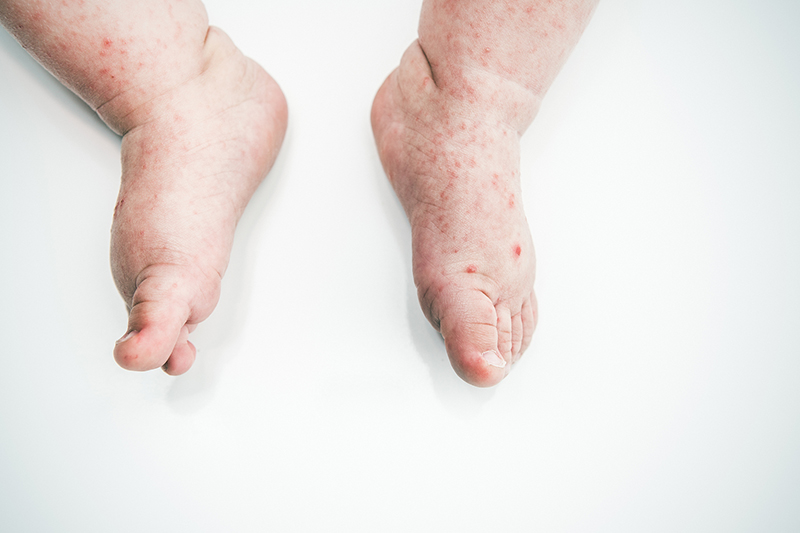
What Is a Blister?
A blister is a small bubble that forms on the skin and is filled with fluid. The fluid may be clear or occasionally contain a small amount of blood.
Blisters are the body's natural way of protecting damaged skin while it heals.
What Causes Blisters in Toddlers?
Blisters can occur for different reasons, including:
Friction or Injury
Toddlers are constantly exploring and moving around. Blisters may develop when:
* Shoes or sandals rub against the skin
* The skin is exposed to heat, such as from a hot object, burn, or scald
* The skin experiences repeated rubbing during play
Allergic Reactions or Skin Conditions
Some skin conditions, such as eczema, may cause small itchy or uncomfortable blisters.
Infections
Certain infections can cause blisters, including:
* Hand, Foot and Mouth Disease (HFMD)
* Chickenpox
* Cold sores
* Bacterial skin infections such as impetigo
Medical Conditions
Rarely, blisters may be linked to underlying medical conditions. Your doctor can help determine the cause if blisters appear without an obvious injury.
What Symptoms Should I Look Out For?
The symptoms can vary depending on the cause.
Blisters Caused by Injury
* Usually appear only where the skin has been injured or rubbed
* Contain clear fluid or a small amount of blood
* May be tender or painful
Blisters Caused by Other Conditions
* May appear in one area or several areas of the body
* Can be itchy, painful, or uncomfortable
* May occur together with a rash
If an Infection Is Present
Your child may also have:
* Fever
* Tiredness or irritability
* Reduced appetite
* Body aches or feeling unwell
If your toddler develops blisters without a clear injury, consult a healthcare professional for an accurate diagnosis.
How Can I Care for My Child's Blister?
Most blisters heal on their own without special treatment.
To help your toddler feel more comfortable:
✅ Apply a cool compress for 10–15 minutes at a time, several times a day.
✅ Cover the blister with a clean, non-stick dressing if needed.
✅ Keep the area clean and dry.
✅ Use protective blister plasters or dressings if recommended by your healthcare provider.
Avoid
❌ Popping, bursting, or picking at the blister.
❌ Removing loose skin covering the blister.
❌ Using tight shoes or clothing that rub against the affected area.
When Should I Bring My Child to a Doctor?
Seek medical attention if:
* The blister is very large or painful
* The blister does not improve after several days
* New blisters keep appearing
* Your child develops a fever or appears unwell
* The blister was caused by a burn or scald
* The blister is near the eyes, mouth, or genitals
* You notice signs of infection, such as:
* Increasing redness
* Swelling
* Warmth around the blister
* Pus or yellow fluid
* Increasing pain
How Can I Help Prevent Blisters?
Prevent Friction Blisters
* Ensure your toddler's shoes fit properly
* Break in new shoes gradually
* Choose soft, breathable socks
* Check for areas of rubbing after outdoor play
Prevent Burn-Related Blisters
* Keep hot drinks, food, and appliances out of reach
* Supervise children around hot water and cooking areas
* If a burn or scald occurs, cool the area under cool running water for **20 minutes** and seek medical advice when necessary
Protect Sensitive Skin
* Dress your child in comfortable clothing
* Manage eczema and other skin conditions according to your doctor's advice
* Keep your toddler's nails trimmed to reduce skin damage from scratching
Key Takeaway
Most blisters in toddlers are harmless and heal on their own. Keep the area clean, avoid popping the blister, and monitor for signs of infection. If your child has blisters without a clear cause, develops a fever, or seems unwell, seek medical advice promptly.