Families For Life | Emotions and Toddlers
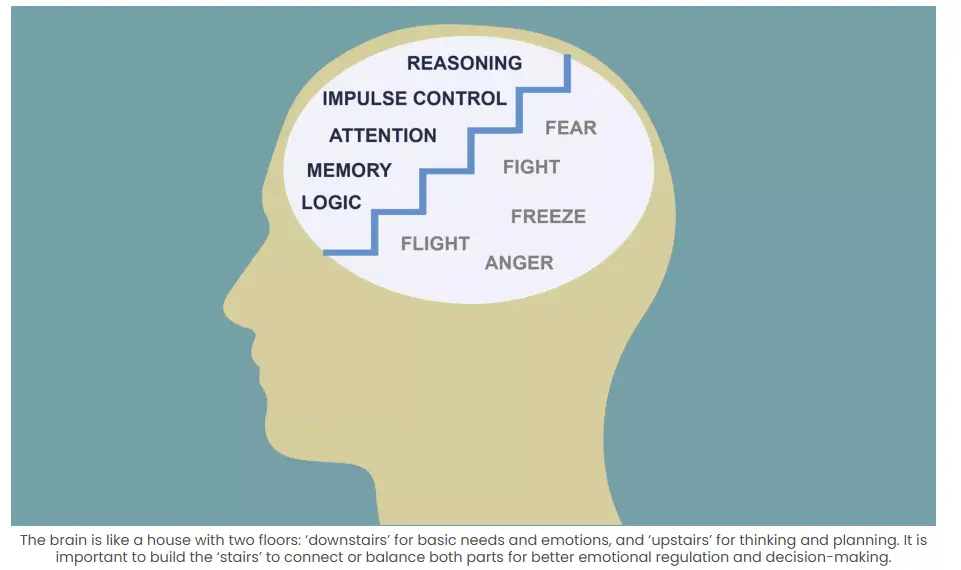
When we talk about a child’s ‘upstairs brain’, we mean the part that helps them think clearly, solve problems and manage their feelings. It’s where focus, memory and self-control live. But the upstairs brain is delicate. When a child feels safe and comforted — through a calm word, a steady routine or a caring touch — it stays switched on. That’s when they can listen, learn and make good choices.
When stress hits, the brain flips into ‘survival mode’. The upstairs brain goes quiet, and the ‘downstairs brain’ takes over — fuelling big emotions such as anger or fear, and quick reactions like fight, flight or freeze.
Gentle, consistent responses from adults can bring the upstairs brain back online. Small acts, such as naming an emotion or keeping routines steady, help children reconnect and feel safe to learn again.
How to Deal with Everyday Triggers
Everyday stressors can quickly pull children into their downstairs brain. What may look like defiance is often just a young brain overwhelmed by emotions. With foresight, adults can reduce these triggers or respond in ways that help children return to calm.
Common home scenarios include the following:
Work with the preschool
Just as parents set the tone at home, educators fulfil that same role in the classroom. When parents and educators work together to create steady emotional climates, children feel secure and grow more resilient. This gives them confidence to both cope and flourish.
Strategies to consider include:
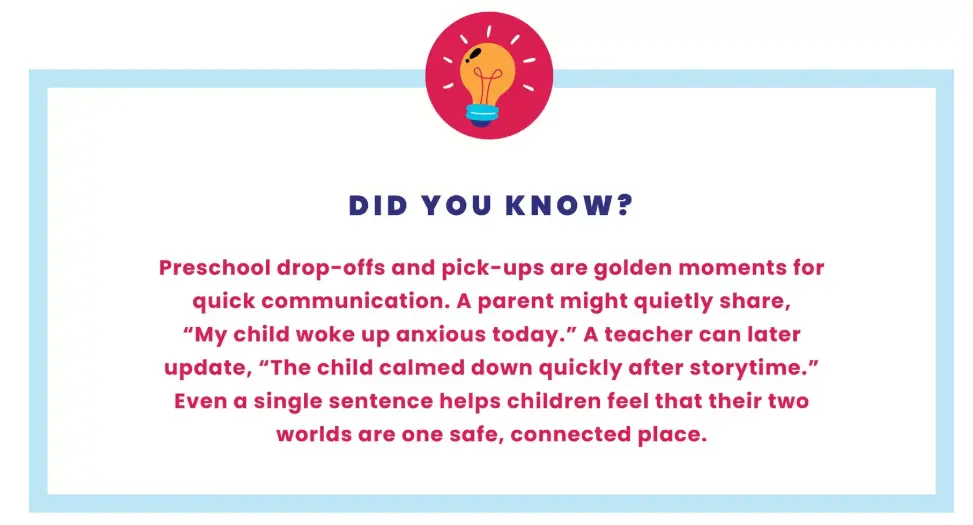
Shared routines: If the preschool plays a lullaby during naptime, parents might sing a gentle song before bedtime at home too. Familiar signals help children feel secure.
Common language: If parents and educators both use the same phrase when a child is upset (e.g. “Let’s take a calm breath”), the child learns one simple, reliable tool they can use anywhere.
Being consistent doesn’t mean being perfect. What matters most is that children can trust the adults around them to respond with steadiness and care. That sense of trust becomes the foundation for their confidence, resilience and love of learning.
Contributed by:
Beanstalk ECDA