Families For Life | Fear of Strangers: Babies and Young Children-Toddlers
It is common for toddlers to feel shy, cautious or upset around unfamiliar people. This is a normal part of development and often happens because children feel safest with the people they know and trust. While many children become more comfortable with unfamiliar people as they grow, some may take longer than others.
Why Toddlers Fear Strangers
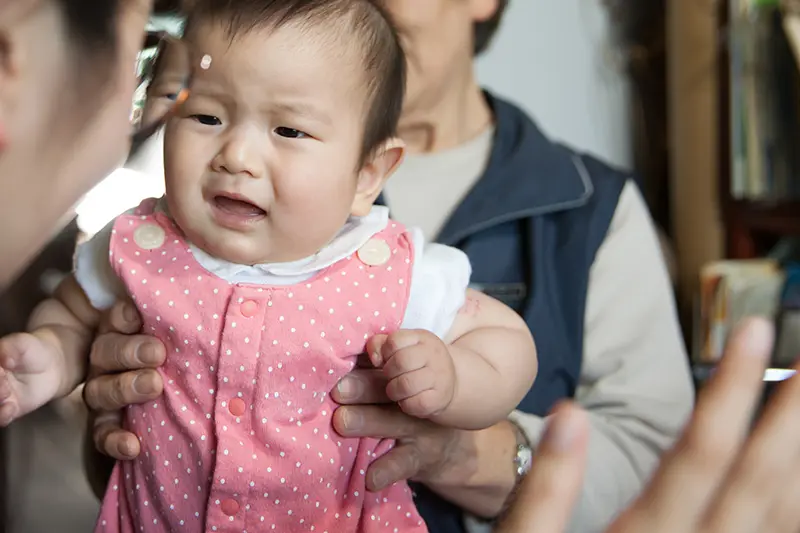
As your child develops strong bonds with family members and caregivers, they may be hesitant around new people. They might cling to you, hide behind you, cry, refuse to speak, or avoid eye contact. Every child is different. Some toddlers warm up quickly, while others need more time and reassurance before they feel safe.
Helping Your Toddler Feel More Comfortable
Stay Close and Offer Reassurance
When meeting new people, let your child stay near you. Holding your hand, sitting on your lap, or standing beside you can help them feel secure.
Acknowledge Their Feelings
Avoid saying things like, “Don’t be scared.” Instead, calmly acknowledge their feelings: “I know you're feeling shy. That's okay. We can take our time.”
Bring a Favourite Comfort Item
A familiar toy, blanket or soft toy can give your child extra comfort in unfamiliar situations.
Stay Calm Yourself
Children often look to their parents for cues. If you remain relaxed and friendly, your child is more likely to feel at ease.
Take It One Step at a Time
Let Your Child Warm Up Slowly
Avoid pushing your child to interact before they are ready. Give them time to observe from a safe distance.
Introduce New People Gradually
Meeting one new person at a time can feel less overwhelming than facing a large group.
Stay Nearby
When introducing your child to someone new, stay with them until they feel comfortable. This helps them build confidence while knowing you are close by.
Ask Others to Be Patient
Encourage relatives and friends to give your child space. They can start with a smile or conversation before attempting physical contact.
Building Confidence Around New People
Regular opportunities to meet different people can help your child feel more comfortable over time. Encourage positive experiences with neighbours, relatives, family friends and other children. You can also help your toddler become more independent by:
letting them try simple tasks on their own, such as feeding themselves or tidying up toys
encouraging them to explore new play spaces with your support nearby
giving them opportunities to make simple choices and solve small problems independently
As your child's confidence grows, they may feel more secure in unfamiliar situations.
When to Seek Extra Support
Most toddlers gradually outgrow their fear of strangers. However, consider speaking to a healthcare professional if your child:
becomes extremely distressed around unfamiliar people
remains highly fearful for a long period
shows signs of anxiety even in familiar settings
seems to be becoming more fearful over time
If you are concerned, seek advice from your child's doctor or paediatrician.
Key Takeaway
Fear of strangers is a normal stage for many toddlers. With patience, reassurance and gentle exposure to new people, most children gradually learn to feel safe and confident in unfamiliar situations.
For more tips, here is a quick tipsheet on how you can help your toddler to manage stranger anxiety.