Families For Life | Homemade Toys and Free Activities for Kids-Toddlers
Children do not need expensive toys to learn and grow. Many of the best play experiences come from everyday items found at home. With a little creativity, simple household objects can become fun learning tools that encourage imagination, problem-solving, and movement.
Why Everyday Play Matters
Free and simple play activities help children develop creativity, confidence, and new skills. They also encourage children to explore, experiment, and use their imagination. Better still, these activities give parents and children valuable opportunities to spend quality time together.
Household items such as containers, cardboard boxes, old clothes, and kitchen utensils can provide hours of open-ended play. Always ensure that items are safe, unbreakable, and not small enough to be choking hazards.
Play Ideas for Toddlers (1–3 Years)
Toddlers are curious explorers who learn by touching, testing, and repeating actions. Simple activities can keep them busy while building important skills.
Explore Everyday Objects
Let your child place pegs, large blocks, or other safe household items into containers and take them out again. This strengthens hand-eye coordination and problem-solving skills.
Pretend Play
Create a dress-up box using old hats, scarves, bags, or clothes. Your toddler can become a shopkeeper, doctor, bus driver, or favourite story character.
Playdough Fun
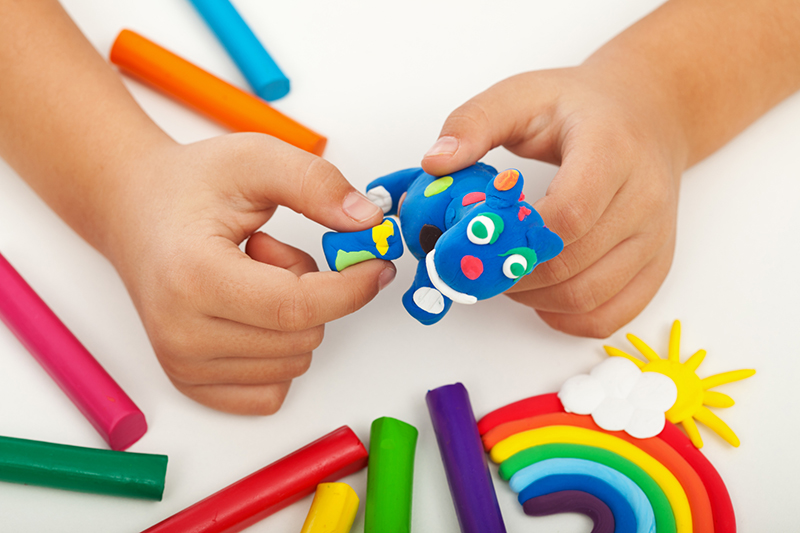
Homemade playdough is great for squeezing, rolling, and shaping. Encourage your child to make pretend food, animals, or simple shapes.
Music and Movement
Sing nursery rhymes, clap along to songs, or use pots and containers as drums. Dancing together helps develop coordination and language skills.
Outdoor Adventures
Visit a nearby playground, park, beach, or neighbourhood green space. In Singapore, places such as community playgrounds, park connectors, and gardens offer plenty of opportunities to run, climb, and explore.
Read Together
Make books part of your daily routine. Borrow picture books from the National Library and enjoy reading together before naps or bedtime.
Play Ideas for Young Children (4–6 Years)
Children in this age group enjoy creating, building, and using their imagination. Everyday materials can inspire hours of creative play.
Build and Create
Large cardboard boxes can become a car, rocket, shop, or playhouse. Let your child decide what to create.
Make Puppets and Stories
Turn old socks into puppets and encourage your child to put on a puppet show. You can also staple sheets of paper together to create a simple storybook.
Dress-Up and Role Play
Keep a box of old clothes and accessories for imaginative play. Children can act out everyday situations such as shopping, going to school, or cooking at home.
Arts and Crafts
Use recycled materials such as newspapers, magazines, cardboard, and paper rolls for drawing, cutting, pasting, and crafting projects.
Explore the Community
A walk around the neighbourhood can become an adventure. Look for shapes, colours, plants, insects, or interesting buildings along the way.
Help Around the Home
Simple chores such as watering plants, sorting laundry, setting the table, or helping prepare meals can build responsibility and confidence.
Key Takeaway
Play should be enjoyable, not stressful. Follow your child's interests and allow them to decide how they want to play. When children take the lead, they are more engaged, creative, and motivated to learn. The most important ingredient in play is not the toys, but the time, attention, and encouragement you share with your child.