Families For Life | Sharing and Learning to Share-Toddlers
When Sharing Doesn't Go Smoothly
Arguments over toys are common among toddlers and young children. Instead of forcing children to share immediately, focus on helping them learn the skills needed for sharing.
Stay calm, acknowledge their feelings and guide them towards a solution. Learning to share is a skill that develops gradually through everyday experiences. With patience, encouragement and plenty of opportunities to practise, your child will build the confidence and social skills needed to play happily with others.
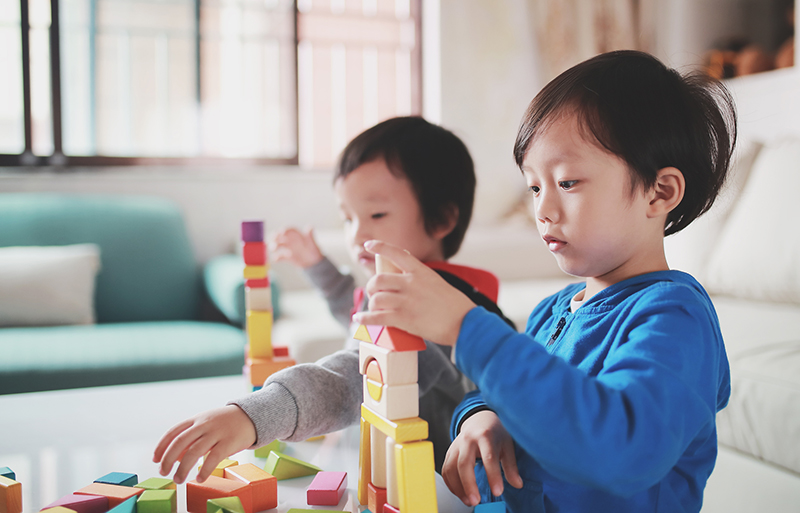
Learning to share and take turns is an important part of your toddler's social and emotional development. While it may seem like a simple skill, sharing can be difficult for young children because they are still learning to understand their own feelings and the needs of others. With patience, practice and gentle guidance, your child will gradually learn to share, cooperate and enjoy playing with others.
Why Sharing and Taking Turns Matter
Sharing helps toddlers begin to understand that other people have feelings and needs too. It encourages empathy, kindness and cooperation. It also teaches children important life skills such as waiting patiently, coping with disappointment and finding fair solutions when they want the same toy as someone else.
These skills do not develop overnight. They take time, repeated practice and plenty of support.
When Will My Toddler Learn to Share?
Every child develops at their own pace, but there are some general stages that many young children go through.
Toddlers (1 to 3 Years)
Toddlers are naturally focused on their own needs and wants. At this age, they may believe that any toy they can see belongs to them. It is common for toddlers to grab toys, refuse to share or become upset when another child wants the same item.
This behaviour is a normal part of development and does not mean your child is selfish. Toddlers are still learning important concepts such as ownership, patience and turn-taking.
By around age three, many children begin to understand the idea of taking turns. However, they may still struggle to put it into practice and can become upset when they have to wait.