Families For Life | Physical Activity for Younger Children-Young Children
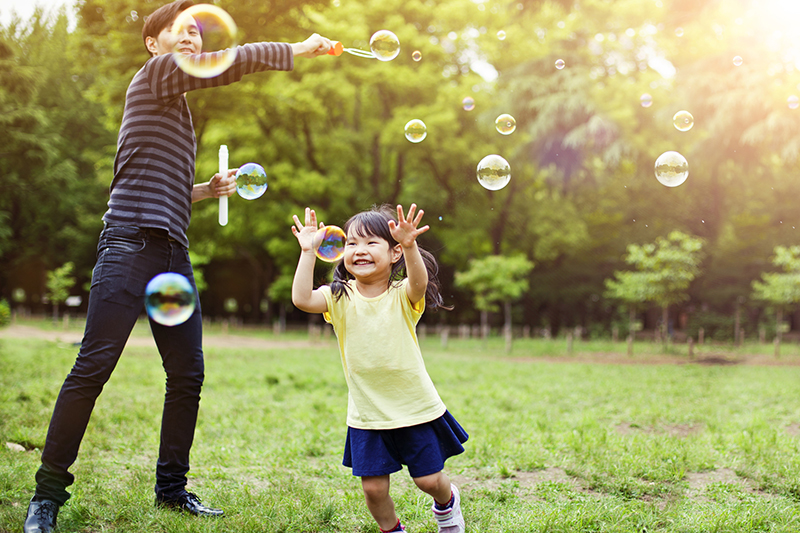
Young children are naturally energetic and learn best through movement. Regular physical activity helps strengthen their muscles and bones while improving coordination, social skills and self-confidence.
Children aged four to six enjoy active games that challenge their growing abilities. Activities such as kicking a ball, catching, throwing, balancing, hopping and dancing help develop important movement skills. Parks, playgrounds, open spaces and school fields provide great opportunities for active play.
You can make physical activity exciting by turning it into a game. Create simple obstacle courses, play follow-the-leader, organise treasure hunts or invent animal-themed races. Music and movement games also encourage children to stay active while having fun.
Many children begin showing interest in organised activities such as swimming, gymnastics, football or dance classes. At this age, the emphasis should be on learning new skills, making friends and enjoying participation rather than competition.
Children who enjoy being active are more likely to continue healthy habits as they grow. By joining in their play and showing enthusiasm, parents can help foster a lifelong love of movement and exercise.
Young children should be physically active for at least three hours each day, with a variety of activities spread across the day.
Outdoor Play
Outdoor activities and sunlight can help in reducing myopia in your child. Outdoor play also helps your child to be active and learn about social interaction and cooperation when playing with others.