Families For Life | School-Age Children at Play
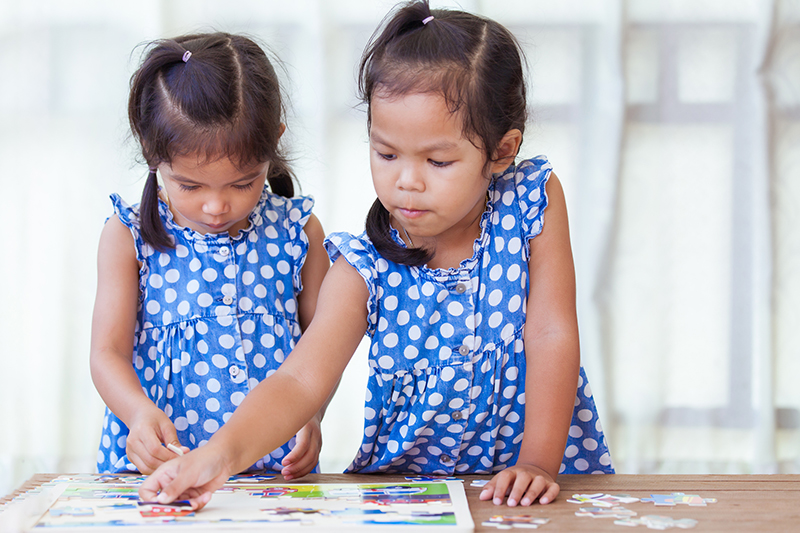
Many parents enrol their children in enrichment classes, sports, or other organised activities. While structured programmes can be beneficial, children also need time for free play.
Free play allows children to:
Use their imagination and creativity
Explore their own ideas and interests
Practise problem-solving skills
Develop independence and confidence
Enjoy being active and having fun
A healthy balance of both structured activities and free play helps children learn and develop in different ways.
Everyday Play Opportunities
You do not need expensive toys or elaborate plans to support your child's development. Everyday activities can offer valuable learning experiences.
Simple ways to play together include:
Reading storybooks and talking about the characters
Drawing, painting, and creating simple crafts
Building with blocks or recycled materials
Playing pretend games such as running a shop, restaurant, or doctor's clinic
Singing songs, dancing, and making music
Helping with simple household tasks such as watering plants or preparing ingredients for meals
These activities support language, creativity, problem-solving, and social-emotional development.
Outdoor Play and Active Fun
Outdoor play provides opportunities for children to develop their physical skills and burn off energy. Singapore offers many family-friendly places for active play, including neighbourhood playgrounds, parks, gardens, and park connectors.
Activities your child may enjoy include:
Running, jumping, and climbing at playgrounds
Playing catch or simple ball games
Riding a scooter or balance bike with appropriate safety gear
Going on nature walks and observing plants, insects, and birds
Taking part in family walks or outdoor treasure hunts
Outdoor play also encourages curiosity, confidence, and a love of exploration.
Encouraging Your Child’s Interests
Preschoolers are naturally curious and often develop favourite topics, stories, or activities. Some children may enjoy animals, vehicles, nature, music, or arts and crafts.
Allowing your child to explore their interests through play helps nurture a love of learning and builds confidence in their abilities.
Play Builds Strong Foundations
Through play, preschoolers learn important skills that support their growth, wellbeing, and future learning. By providing opportunities for both active and imaginative play, parents can help their children develop confidence, creativity, social skills, and a lifelong love of learning.
Outdoor Play
Outdoor activities and sunlight can help in reducing myopia in your child. Outdoor play also helps your child to be active and learn about social interaction and cooperation when playing with others.