Families For Life | Choking Prevention and Choking Risks-Young Children
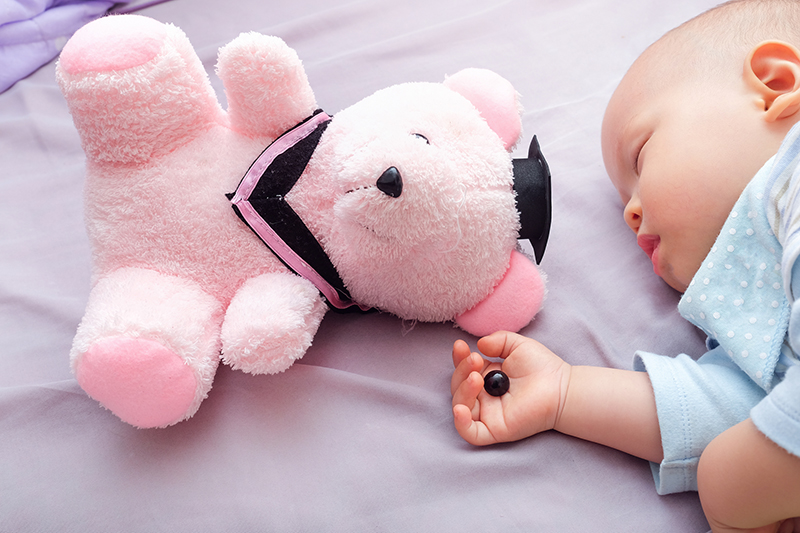
Although children are becoming more independent eaters, they can still choke on food and small objects. Items small enough to fit through a toilet paper roll or similar-sized opening can pose a choking hazard. Keeping these items out of reach and teaching safe eating habits can help prevent accidents.
Common Choking Hazards
Foods to Watch Out For
Some foods can be difficult for young children to chew and swallow safely, including:
Whole nuts, seeds and popcorn
Sausages and hot dogs
Meat or fish with bones
Hard snacks such as crackers and chips
Sweets, marshmallows and chewing gum
Whole grapes, cherry tomatoes and other small round fruits
Raw vegetables such as carrots
Stringy foods like celery and pineapple
Small Objects Around the Home
Children may still put items in their mouths out of curiosity. Keep these objects out of reach:
Coins
Button batteries
Small magnets
Pen caps
Jewellery
Tablets, chewable vitamins and stickers
Pebbles and other small outdoor objects
Toys and Play Items
Check toys regularly for loose or broken parts. Choking risks include:
Marbles
Small toy pieces
Detached toy eyes or buttons
Deflated or broken balloons
Small building blocks or beads
Safe Eating Habits
Help your child eat safely by:
Sitting down for meals and snacks
Avoiding eating while running, playing or lying down
Taking small bites and chewing thoroughly
Eating calmly without talking excessively, laughing or crying with food in their mouth
Having an adult nearby during meals
Preparing Foods Safely
You can reduce choking risks by:
Cutting round foods, such as grapes and cherry tomatoes, into smaller pieces
Removing bones from meat and fish
Cooking or grating hard fruits and vegetables
Peeling tough fruit skins when needed
Making Your Home Safer
Store small objects out of children's reach.
Check floors, sofas and play areas regularly for loose items.
Choose age-appropriate toys and follow the manufacturer's age recommendations.
Keep button batteries secured inside devices and stored safely when not in use.
Encourage older siblings to keep small toys, beads and building blocks away from younger children.
When Children Need Extra Care
Some children may have a higher risk of choking due to medical or developmental conditions that affect chewing or swallowing. If your child has additional needs, speak with your doctor or healthcare professional about the best ways to keep them safe during meals and play. Knowing basic choking first aid can also help you respond quickly in an emergency.