Families For Life | Conjunctivitis-Young Children
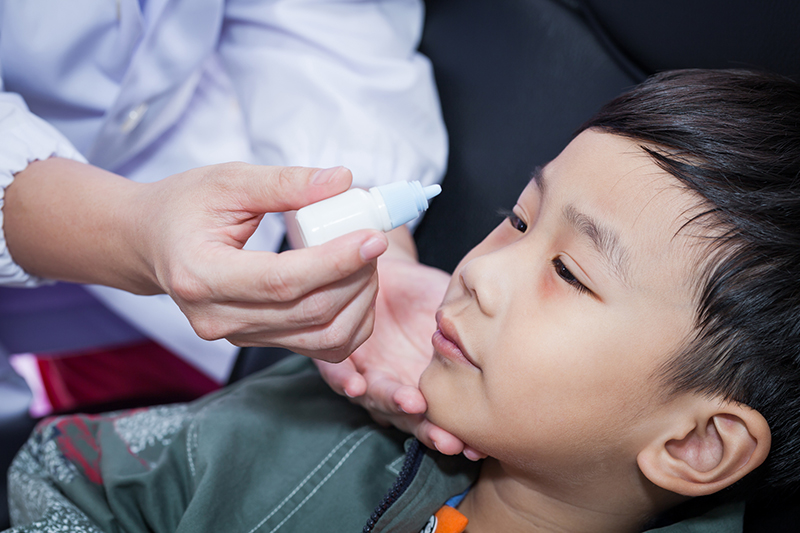
Conjunctivitis, often called “pink eye”, is a common eye infection in children. It affects the thin layer covering the white part of the eye and the inside of the eyelids. The condition spreads easily from person to person, especially among young children in preschools and childcare settings. With proper treatment, most children recover quickly.
What Causes Conjunctivitis?
Conjunctivitis can be caused by a virus or bacteria. It may also develop when the eye is irritated by dust, smoke, chemicals, or a foreign object. Sometimes, it occurs alongside a cold or other upper respiratory infection.
Another type, known as allergic conjunctivitis, is caused by allergens such as dust mites, pollen, or pet dander. Unlike viral or bacterial conjunctivitis, allergic conjunctivitis is not contagious.
Signs and Symptoms
Your child may have conjunctivitis if they show any of the following signs:
Red or pink eyes
Watery, itchy, or sore eyes
Sticky discharge that can cause the eyelids to stick together after sleep
Mild swelling around the eyes
Viral and bacterial conjunctivitis may affect one or both eyes. If allergies are the cause, both eyes are usually affected, and your child may also experience sneezing, a runny nose, or an itchy nose.
When to See a Doctor
Bring your child to a GP if you suspect an eye infection. Seek medical attention promptly if your child:
Is not improving after a few days of treatment
Has increasing redness, swelling, or pain around the eye
Complains of blurred vision or other vision problems
Has a fever, seems unusually tired, or is eating and drinking poorly
Treatment and Care
To keep the eye clean, gently wipe away any discharge using cotton wool or a clean cloth soaked in cooled boiled water. Use a fresh piece of cotton wool for each wipe and each eye.
Your GP will recommend the most suitable treatment. If a bacterial infection is suspected, antibiotic eye drops or ointment may be prescribed. It is important to complete the full course of medication, even if your child's symptoms improve earlier.
If allergies are causing the irritation, the doctor may recommend allergy medication or eye drops and advise ways to reduce exposure to triggers.
Preventing the Spread of Infection
Viral and bacterial conjunctivitis spread easily through contact. Good hygiene can help protect other family members and classmates.
Encourage your child to:
Wash their hands regularly with soap and water
Avoid rubbing their eyes
Use their own towel and face cloth
Dispose of tissues after use
If your child has infectious conjunctivitis, keep them home from preschool, childcare, enrichment classes, or other group activities until the infection has cleared and your doctor advises that it is safe to return.
Key Takeaway
Conjunctivitis is a common childhood eye condition and is usually mild when treated promptly. If your child's eyes are red, sticky, or uncomfortable, visit a GP for advice. Good hygiene and early treatment can help your child recover quickly and reduce the risk of spreading the infection to others.