Families For Life | Relationships with Preschoolers: Ideas and Tips
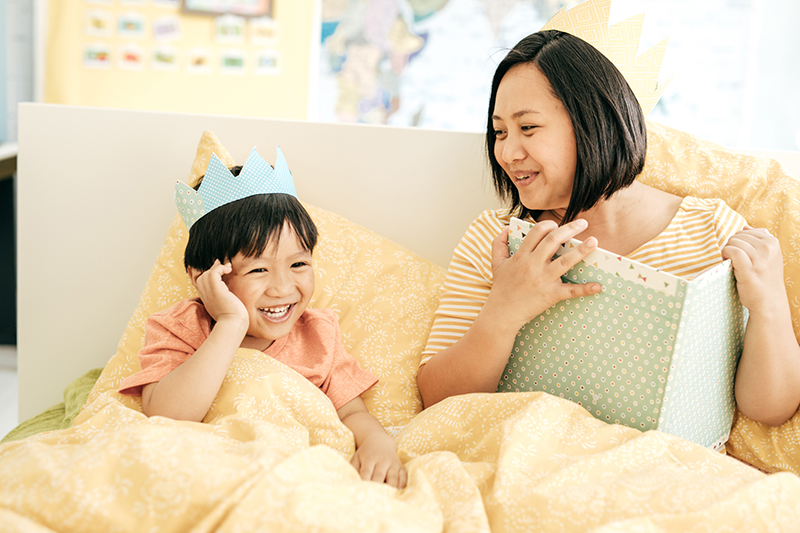
The preschool years are an important time for your child’s emotional and social development. Between ages 4 and 6, children are becoming more independent, learning new skills and forming friendships. They are also developing confidence, resilience and a better understanding of their emotions.
As a parent, you can support your child's growth by helping them build self-esteem, cope with challenges, solve problems and get along with others.
Building Your Child's Self-Esteem
Self-esteem is how children feel about themselves and their abilities. Children with healthy self-esteem are more willing to try new things, learn from mistakes and bounce back from setbacks.
You can help by:
Showing love and acceptance every day.
Giving positive attention and acknowledging effort.
Displaying your child's artwork and celebrating achievements.
Encouraging independence through simple choices and responsibilities.
Letting your child try new things, even if they might make mistakes.
Teach your child that mistakes are a natural part of learning. When things do not go as planned, encourage positive self-talk such as, "I can try again" or "I learned something new today."
Helping Your Child Manage Emotions
Young children are still learning how to recognise and manage their feelings. Supporting emotional awareness helps them cope better with disappointment, frustration and change.
You can help by:
Talking about feelings during everyday situations, books and play.
Naming emotions such as happiness, sadness, anger or worry.
Encouraging your child to express feelings with words rather than actions.
Helping them calm down before solving problems.
Pretend play can also help children work through fears and emotions in a safe and creative way.
Teaching Coping Skills
Coping skills help children deal with challenges and setbacks.
Support your child's resilience by:
Praising effort rather than results.
Teaching that winning is not always important; trying their best matters more.
Encouraging patience, turn-taking and fairness.
Modelling positive thinking when facing difficulties.
Helping them understand that setbacks happen to everyone.
When children learn to handle disappointment in small ways, they become better prepared for bigger challenges later in life.
Developing Problem-Solving Skills
Learning to solve problems helps children become more confident and independent.
When conflicts arise, guide your child to:
Identify the problem.
Think of possible solutions.
Choose a solution together.
Try it out and see if it works.
Instead of solving every problem for your child, support them in thinking through their options. This helps build confidence and decision-making skills.
Growing Social Skills Through Play
Strong social skills help children build friendships and work well with others.
Important skills include:
Listening and taking turns.
Sharing and cooperating.
Using polite and respectful words.
Understanding how others may feel.
Resolving simple conflicts.
Children learn these skills through everyday interactions with family members, teachers and friends.
Supporting Social Development at Home
You can nurture social skills by:
Modelling kindness, respect and good communication.
Encouraging your child to consider others' feelings.
Arranging opportunities to play with other children.
Engaging in pretend play, storytelling and cooperative games.
Involving your child in simple household tasks that require teamwork.
Board games, imaginative play and group activities provide valuable opportunities to practise sharing, patience and cooperation.
Children aged 4 to 6 learn best through loving relationships, play and everyday experiences. By providing encouragement, guidance and opportunities to practise important life skills, you can help your child grow into a confident, resilient and caring individual.

DID YOU KNOW?
Playing with pasta pieces, especially macaroni, can be an excellent way to boost your child's acquisition of fine motor skills!
READ MORE