Families For Life | Helping Your Child Connect with Others in the Community
Many people beyond family and friends can positively influence your child. A coach may offer encouragement, a neighbour might lend a helping hand, or a librarian could inspire a love of reading. Children who feel connected to supportive people and their community are more likely to thrive as they grow.
Why Community Connections Matter
Strong connections help children:
Feel a sense of belonging and inclusion.
Learn how to interact and cooperate with others.
Know where to turn when they need support.
Discover different interests, skills and future opportunities.
Positive relationships can also boost confidence and help children develop meaningful friendships.
Important Connections for Children
Extended Family and Family Friends
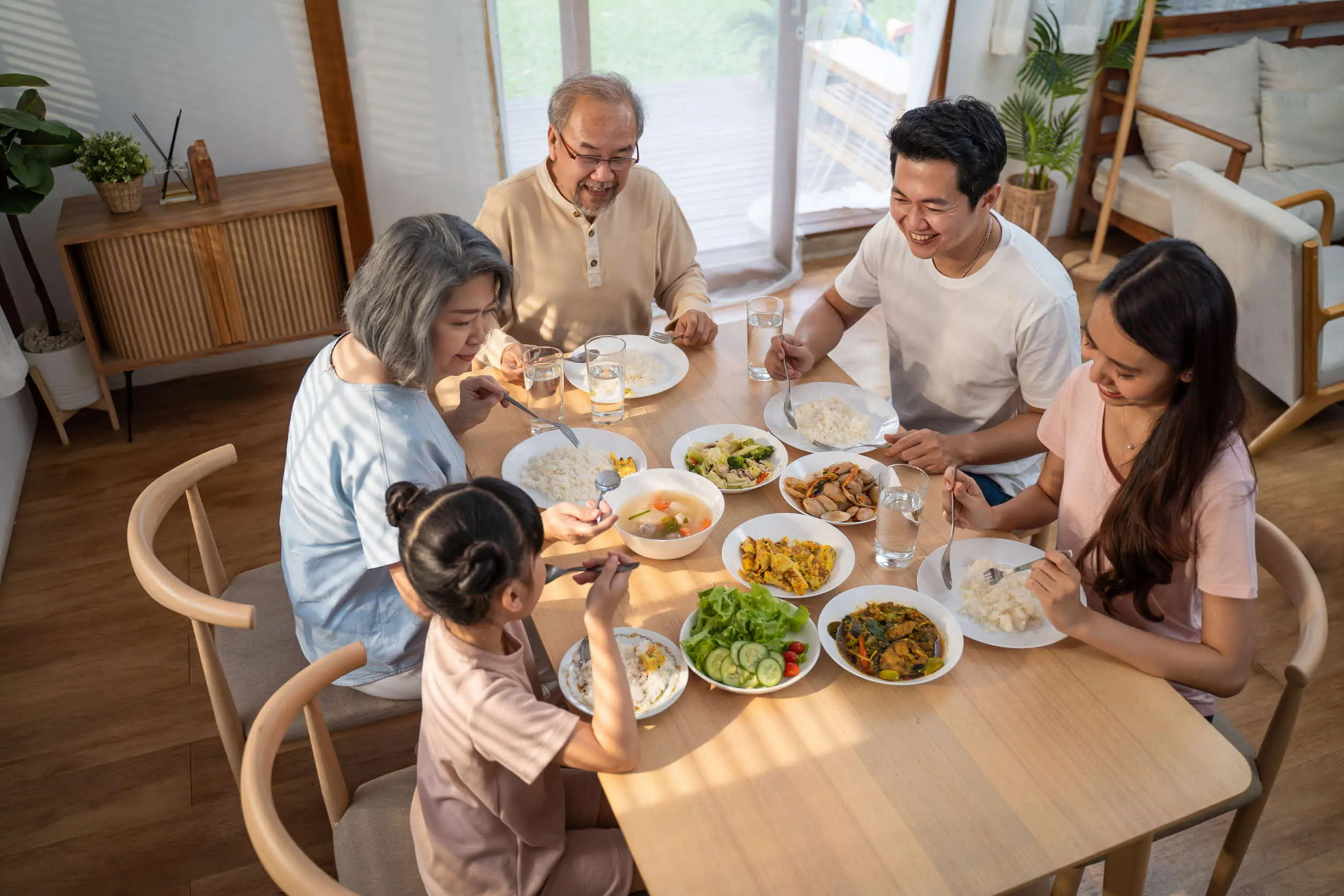
Grandparents, relatives and close family friends can help children feel valued and supported. Sharing family celebrations, milestones and everyday experiences strengthens these bonds.
Being around different families also helps children understand that people may have different values, routines and ways of living. During challenging times, trusted family members and friends can also offer practical support.
Neighbourhood
Simple interactions with neighbours help children feel part of their community. Greeting familiar faces and recognising people such as shopkeepers can foster a sense of safety and belonging.
Community Groups
Sports teams, music classes, religious groups, volunteer activities and hobby clubs allow children to develop skills, pursue interests and contribute to the community. These activities can also help parents connect with other families.
Tips for Strengthening Community Connections
You can help your child build strong relationships by:
Modelling good social manners, such as greeting others and saying "please" and "thank you".
Encouraging conversations with grandparents and family friends.
Looking through family photos and sharing stories together.
Spending time with trusted relatives and family friends.
Visiting parks and community spaces where children can meet others.
Taking part in school and community events.
Showing your child that kindness and helping others strengthen relationships.
For children with additional needs, encourage positive relationships with caregivers, teachers, therapists and other trusted adults involved in their care.
Keeping Your Child Safe
While community connections are important, safety remains a priority.
Before enrolling your child in activities, learn about the organisation's child safety practices. Take time to meet the adults who will interact with your child and encourage your child to talk openly about their experiences.
Help your child recognise feelings of discomfort or fear and reassure them that they can always talk to you if something does not feel right. It is important to listen carefully and take their concerns seriously.
You can also teach your child to stay aware of their surroundings and the people around them. This helps them build confidence while developing safe and positive community connections.