Families For Life | Preschooler Creative Learning and Development: Ideas and Activities
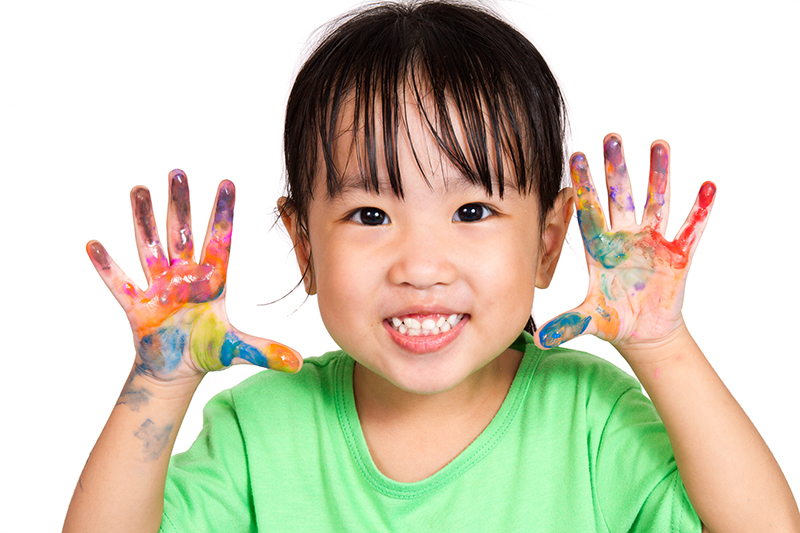
The preschool years are a wonderful time for learning and discovery. Children aged 3 to 5 learn best through play, exploration, and everyday experiences with the people who care for them.
The good news is that you do not need expensive toys, enrichment classes, or complicated setups to support your child's development. Simple activities at home, at the playground, or in the community can help build important skills while creating meaningful family memories.
Here are five easy and enjoyable activities you can try with your preschooler.
1. Go on a Nature Scavenger Hunt
Turn a walk in the park into an exciting adventure.
Create a simple list of items for your child to find, such as a leaf, flower, smooth stone, or something yellow. As you explore together, encourage your child to observe colours, shapes, textures, and sounds around them.
In Singapore, nature reserves, neighbourhood parks, and park connectors offer plenty of opportunities for children to discover the natural world.
What your child learns:
Observation skills
Vocabulary and language development
Curiosity about nature
Physical activity
2. Bring Stories to Life with Puppet Play
Reading together is one of the best ways to support your child's language development. Make storytime even more engaging by using simple puppets made from socks, paper bags, or soft toys.
As you read, use different voices for the characters and invite your child to act out parts of the story. You can also encourage your child to create their own ending or retell the story in their own words.
What your child learns:
Listening and communication skills
Vocabulary development
Imagination and creativity
Confidence in expressing ideas
3. Build an Indoor Obstacle Course
A rainy afternoon can become an exciting movement adventure.
Use cushions, chairs, masking tape, and soft toys to create a simple obstacle course. Your child can crawl under tables, hop over cushions, balance along a taped line, or weave around obstacles.
Let your child help design the course too. This encourages problem-solving while keeping them active and engaged.
What your child learns:
Balance and coordination
Gross motor skills
Problem-solving
Confidence and perseverance
4. Play Ball Games Together
A simple ball can provide endless opportunities for learning and movement.
Roll, throw, kick, or catch a ball with your child. Start with easy movements and gradually increase the challenge as your child's skills grow.
You can also turn it into a game by aiming for a basket, setting up targets, or counting successful catches together.
What your child learns:
Hand-eye coordination
Fundamental movement skills
Concentration and self-control
Turn-taking and cooperation
5. Have a Family Dance Party
Children love music and movement. Put on your child's favourite songs and dance together in the living room.
Try action songs, animal movements, or a game of freeze dance where everyone stops moving when the music pauses. Dancing is a fun way to keep children active while strengthening family connections.
What your child learns:
Balance and coordination
Listening skills
Rhythm and body awareness
Self-expression and confidence
Making Play Part of Everyday Life
Play does not need to be complicated or time-consuming. Short, enjoyable activities throughout the day can have a big impact on your child's development.
Whether you are exploring a neighbourhood park, reading a story before bedtime, dancing after dinner, or playing ball at the playground, these shared experiences help your child learn while strengthening your relationship with them.
Key Takeaway
The best learning happens when children are actively engaged and having fun. By incorporating simple activities such as nature walks, storytime, obstacle courses, ball games, and dancing into your family's routine, you can support your preschooler's physical, language, social, and cognitive development while creating joyful moments together.