Families For Life | Preschool: How it Works and Why It’s Good
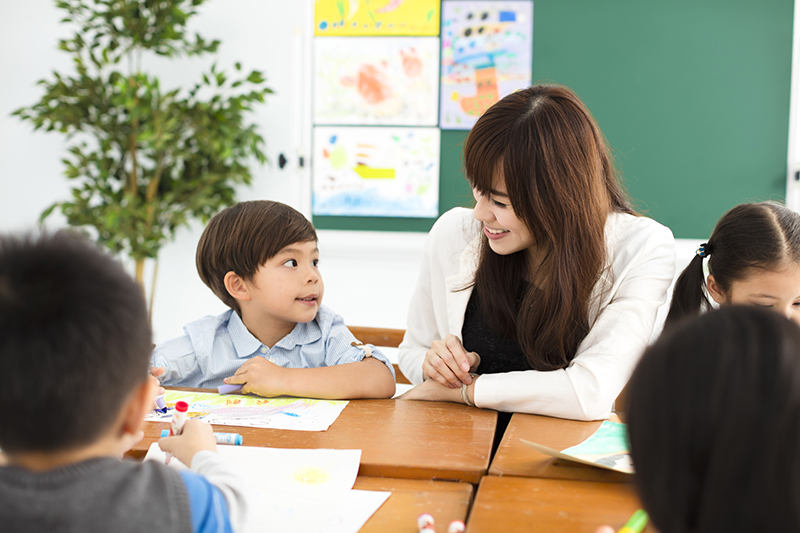
The years before primary school are an important time for learning and development. Children aged 4 to 6 learn rapidly as they explore, play, and interact with others. Preschool provides opportunities for children to build new skills, gain confidence, and develop a love for learning in a fun and supportive environment.
Why Preschool Matters
Preschool helps children learn through play, exploration, and everyday experiences. As they participate in activities with teachers and classmates, they build important skills that prepare them for primary school and beyond.
Children can benefit from preschool by:
Developing early language, literacy, and numeracy skills
Improving their communication and social skills
Learning to share, cooperate, and resolve conflicts
Building confidence and independence
Forming friendships and positive relationships with adults
What Children Do at Preschool
Preschool programmes focus on learning through play rather than formal academic lessons. Activities are designed to support children's overall development while keeping learning enjoyable.
A typical day may include:
Arts and crafts, such as drawing, painting, and modelling with clay
Building and construction activities using blocks or other materials
Storytelling, songs, music, and movement
Sensory play and simple games
Outdoor activities, including playground play, sand and water play, and nature exploration
Group activities that encourage teamwork and communication
These experiences help children develop creativity, problem-solving skills, coordination, and social confidence.
Starting Preschool
Many children may feel excited about preschool, while others need time to adjust to new routines, teachers, and classmates. It is normal for children to take a few weeks to settle in.
Parents can support the transition by talking positively about preschool, establishing consistent routines, and staying in touch with teachers about any concerns.
Supporting Learning at Home
Children learn best when families and educators work together. Simple activities such as reading together, talking about daily experiences, playing games, and encouraging curiosity can reinforce what your child learns in preschool.
Limiting screen time and providing plenty of opportunities for active play, creative activities, and social interaction can also support healthy development.
Key Takeaway
Preschool offers young children a safe and engaging environment where they can learn, play, and build important life skills. For children aged 4 to 6, quality preschool experiences can support their social, emotional, physical, and cognitive development while preparing them for a smooth transition to primary school.