Families For Life | Learning in the Baby to Preschool Years-Young Children
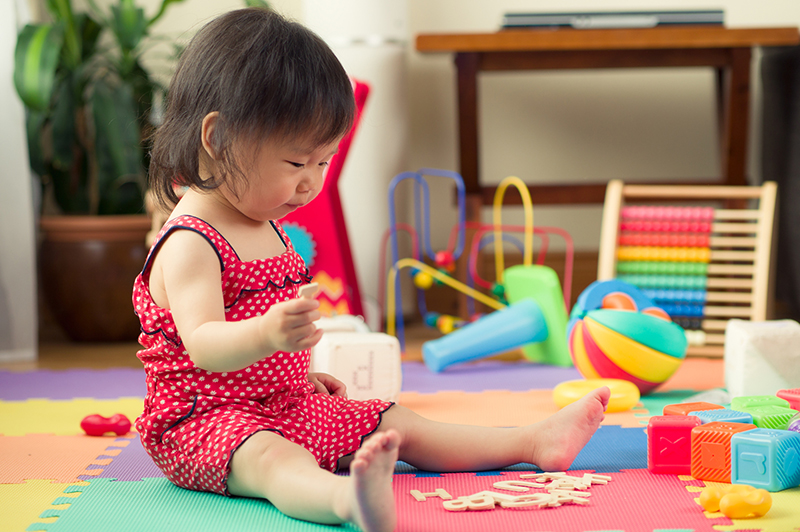
Learning does not only happen in preschool. Children learn every day through play, conversations, routines and new experiences. As a parent, you play an important role in helping your child build the skills and confidence they need for primary school and beyond.
How Preschoolers Learn
Children learn best when they are actively involved in what they are doing. They develop new skills by asking questions, exploring ideas, solving problems and interacting with others. Simple everyday activities can be valuable learning opportunities, such as:
helping to prepare meals
choosing books from the library
taking part in household chores
exploring parks and neighbourhood spaces
playing games with family and friends
These experiences help children make sense of the world around them.
Important Skills Your Child Is Developing
Social and Emotional Skills
Through family interactions and friendships, your child learns how to:
express emotions appropriately
cooperate and take turns
manage disagreements
build confidence and resilience
Language and Communication
Talking, reading and storytelling help your child:
build vocabulary
express ideas clearly
listen and follow instructions
develop early reading and writing skills
Thinking and Problem-Solving
Preschoolers are naturally curious. Everyday activities help them learn to:
ask questions and seek answers
compare, sort and classify objects
recognise patterns
solve simple problems independently
Early Numeracy and Literacy
Children develop early maths and reading skills through daily experiences. For example:
counting stairs while climbing
spotting numbers on buses or lift panels
reading signs around the neighbourhood
writing shopping lists, cards or simple messages
Ways to Support Learning at Home
You can encourage learning by:
Reading together every day.
Asking open-ended questions such as, "What do you think will happen next?"
Letting your child make simple choices and decisions.
Encouraging them to try new activities and experiences.
Praising effort rather than focusing only on results.
Giving them opportunities to solve age-appropriate problems on their own.
Limiting distractions by putting away devices during family conversations, meals and reading time.
Learning Through Everyday Experiences
Many daily routines offer valuable learning opportunities. For example, your child can:
help count and pack groceries at the supermarket
measure ingredients while cooking
sort laundry by colour or size
care for plants at home
explore nature at neighbourhood parks and gardens
These activities help children apply what they learn in meaningful ways.
Every Child Learns Differently
Children develop at their own pace and have different interests and strengths. Some learn best through hands-on activities, while others enjoy listening, observing or creating. Focus on providing a variety of experiences, encouragement and opportunities to explore. If you have concerns about your child's development or learning, speak with their preschool educator or a healthcare professional.
Key Takeaway
The best learning opportunities often come from everyday moments. By talking, playing, reading and exploring together, you can help your preschooler build the skills, confidence and curiosity they need to thrive.