Families For Life | Learning Maths at School-Young Children
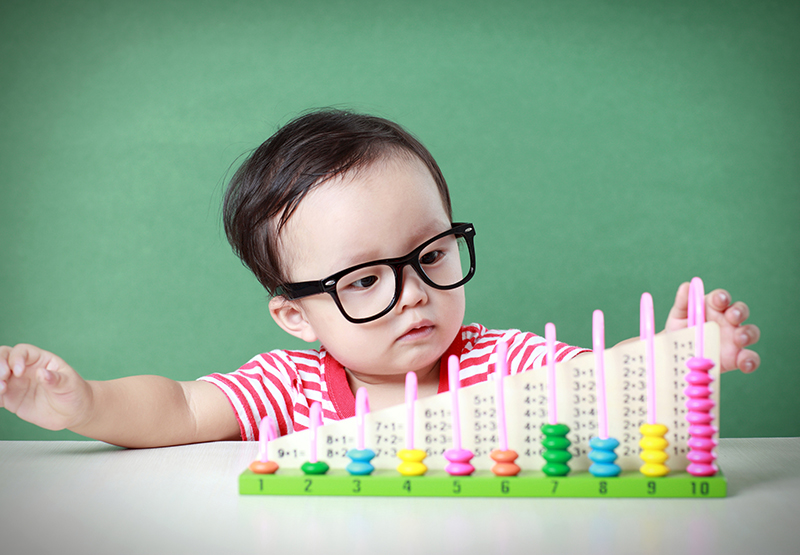
As children prepare for or begin their early primary school years, they start learning maths in a more structured way. Parents can support this learning by connecting school concepts with everyday experiences at home.
The goal is not simply to get the right answer, but to help children understand how numbers work and develop problem-solving skills.
Support Learning Through Daily Life
Children learn maths best when they see how it applies to real situations. Encourage your child to explain their thinking when solving a problem. Questions such as "How did you work that out?" or "Can you think of another way?" help deepen understanding.
Remember that mistakes are part of learning. Wrong answers can help you identify what your child understands and where they may need more support.
Everyday Maths Activities
Many daily activities can strengthen maths skills:
At the supermarket: Compare prices, count items, and estimate how many fruits are needed for the family.
In the kitchen: Measure ingredients, count spoons, and discuss quantities needed for a meal.
On public transport: Read route maps, count MRT stations, and estimate travel time.
At the playground: Count how many times a ball goes through a hoop or compare the heights of play structures.
Around the neighbourhood: Look for repeating patterns in HDB blocks, tiles, or building designs.
These experiences help children understand that maths is part of everyday life.
Key Maths Skills for This Age
Children aged 4 to 6 are developing important foundations such as:
Counting and recognising numbers.
Understanding amounts and quantities.
Comparing sizes and measurements.
Identifying shapes and patterns.
Learning simple addition and subtraction.
Using maths language such as "more than", "less than", "first", and "last".
Providing regular opportunities to practise these skills in daily routines can strengthen their confidence and understanding.
When to Seek Additional Support
Children learn at different rates, but some may need extra help. Speak with your child's preschool teacher or primary school teacher if your child regularly struggles with:
Counting in order.
Recognising numbers.
Understanding quantities.
Matching numbers to objects.
Recognising simple patterns.
Telling basic time.
Understanding maths symbols such as + and −.
Early support can help prevent frustration and build confidence in learning.
Key Takeaway
Celebrate effort, persistence, and problem-solving rather than focusing only on correct answers. When children see maths as something useful, interesting, and enjoyable, they are more likely to develop confidence and success in school and everyday life.