Families For Life | Movement: Preschoolers
Children aged 4 to 6 are naturally energetic and curious. Running, climbing, jumping and playing are not just fun, they are important for healthy growth and development. Regular physical activity helps children build strength, coordination, confidence and independence while supporting their overall well-being.
The best part? Many opportunities for movement can be found in everyday family life.
Why Active Play Matters
At this age, children learn through movement and play. Whether they are exploring a playground, dancing to music or helping with simple household tasks, they are developing important physical skills while having fun.
Active play helps children:
Build strong muscles and bones
Improve balance and coordination
Develop confidence in their abilities
Learn problem-solving and social skills
Stay healthy and energetic
What Children Can Typically Do
Between the ages of 4 and 6, many children become more coordinated and independent. They may be able to:
Dress themselves with little help
Use scissors safely
Climb, run, jump and balance more confidently
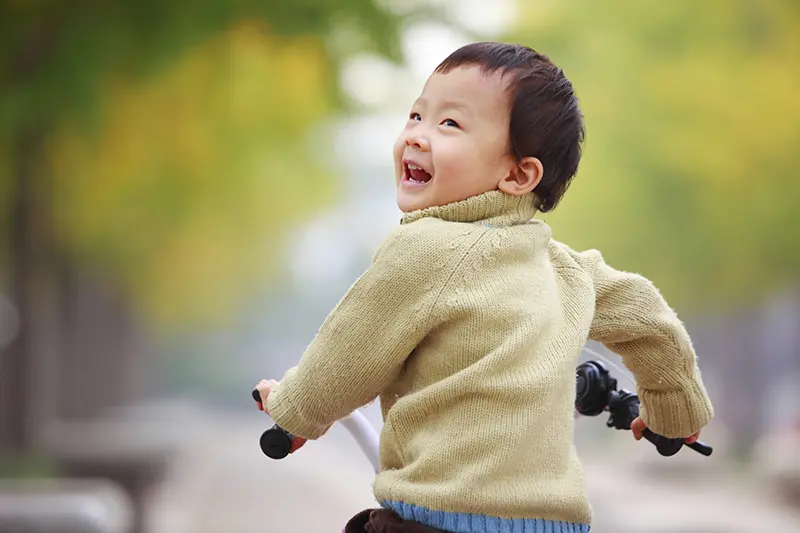
Ride a bicycle with training wheels
Hop, skip and kick a ball with control
Throw, catch and bounce a ball
Enjoy simple games that involve rules and teamwork
Remember that every child develops at their own pace. Small slips and falls are common as children practise new skills and build confidence.
Fun Ways to Stay Active
You do not need structured sports lessons to keep your child moving. Simple activities can provide plenty of opportunities for physical development.
Visit Parks and Playgrounds
Neighbourhood playgrounds, parks and open spaces allow children to run, climb, balance and explore safely. Outdoor play also helps children develop confidence and social skills.
Play Ball Games
Throwing, catching, kicking and rolling a ball help improve hand-eye coordination and balance. These activities can be enjoyed at a void deck, park or open field.
Dance and Move to Music
Play your child's favourite songs and encourage dancing, jumping or copying actions. This is a fun way to stay active, especially on rainy days when outdoor play may not be possible.
Ride a Bicycle or Scooter
With appropriate safety gear, cycling and scooting help children strengthen their balance, coordination and gross motor skills.
Create Simple Obstacle Courses
Use cushions, boxes or markers to create safe obstacle courses at home or in outdoor spaces. Children can crawl, jump, balance and weave through different challenges.
Involve Children in Daily Tasks
Simple jobs such as tidying toys, watering plants, carrying light groceries or helping with household chores also encourage movement and responsibility.
Balancing Screen Time and Active Play
Screens can be entertaining and educational, but young children also need plenty of opportunities for active play. Try to balance screen use with outdoor activities, imaginative play and family time.
It is also helpful to avoid long periods of sitting. Encourage your child to take movement breaks throughout the day, whether at home, in the car or during family outings.
When to Seek Advice
Children develop at different rates, but if your child rarely engages in physical activities, has difficulty keeping up with peers, or seems uninterested in movement and play, consider speaking with your GP, paediatrician or preschool educator.
Key Takeaway
By making active play a regular part of family life, you can help your child build strong movement skills, stay healthy and develop confidence as they grow.