Families For Life | Praise, Encouragement and Rewards-Young Children
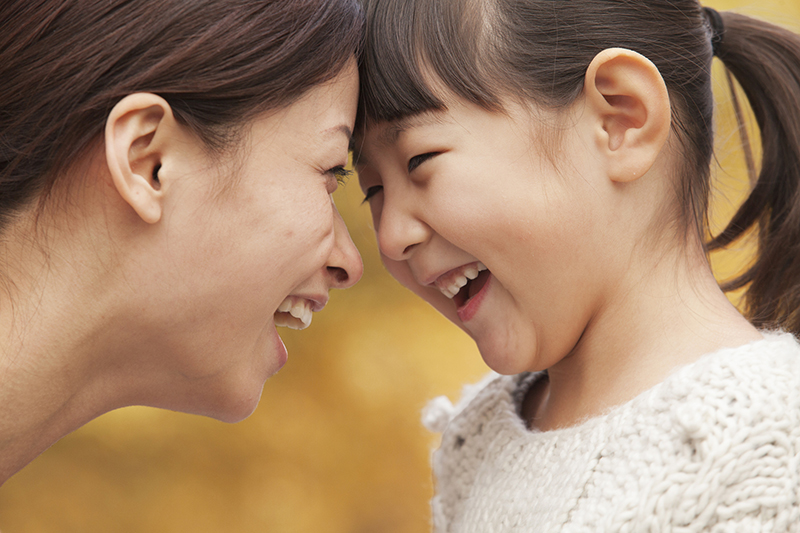
Children aged 4 to 6 are learning new skills every day, from getting dressed independently to making friends and following routines. The way you respond to their efforts can help them feel confident, capable and motivated to keep learning.
Use Praise to Highlight Good Behaviour
Praise lets your child know what they are doing well. It helps them feel proud of their efforts and encourages them to repeat positive behaviour.
Instead of saying, "Good job!", try being specific:
"You packed away your toys so neatly."
"Thank you for sharing with your friend."
"I like how you washed your hands before lunch."
Specific praise helps children understand exactly what they did right.
Encourage the Behaviour You Want to See
Children are more likely to repeat behaviours that receive positive attention. Look out for moments when your child:
Follows instructions
Uses kind words
Waits patiently
Tries something independently
A quick, positive comment can go a long way.
Focus on Effort, Not Just Results
Encouragement recognises your child's effort, even when they are still learning.
For example:
"You worked hard on that puzzle."
"I can see you kept trying, even when it was tricky."
"You were brave enough to give it a go."
When children learn that effort matters, they become more willing to try new things and bounce back from challenges.
Using Rewards Wisely
Occasional rewards can reinforce positive behaviour. Rewards do not need to be expensive or material items.
Simple rewards may include:
Extra story time
A trip to the playground
Choosing the family's weekend activity
Picking a favourite dinner
Give rewards after your child shows positive behaviour. This helps them connect their actions with the positive outcome.
Rewards Are Different from Bribes
A reward comes after good behaviour as recognition of effort.
A bribe is offered beforehand to stop unwanted behaviour.
For example:
Reward: "You packed away your toys nicely. Let's read an extra story tonight."
Bribe: "If you stop crying, I'll buy you a toy."
Aim to use praise and encouragement most of the time, with rewards used occasionally.
Simple Tips for Parents
✔ Praise your child every day for positive behaviour or effort.
✔ Try to notice more good behaviour than mistakes.
✔ Celebrate small improvements, not just perfect results.
✔ Focus on your child's unique strengths and interests.
✔ Praise effort as much as achievement.
✔ Surprise your child occasionally with a simple reward for being helpful or responsible.
✔ Remember that even small words of encouragement can have a lasting impact on your child's confidence.
Key Takeaway
Children thrive when they feel noticed, valued and supported. By using specific praise, encouraging effort and giving occasional rewards, you can help your child develop confidence, resilience and positive habits that will benefit them for years to come.
Video: How to Nurture Positive Mental Health and Drive Socio-emotional Learning
Learn how to support your child's social and emotional skills.