Families For Life | Sharing and Learning to Share-Young Children
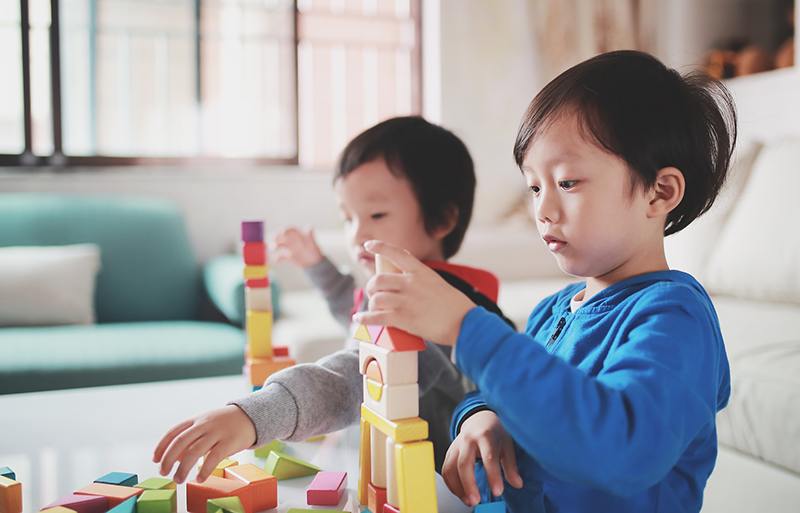
Learning to share and take turns helps young children build friendships, play cooperatively and understand the feelings of others. While many children aged 3 to 5 understand what sharing means, they may still find it difficult to wait, take turns or give up a favourite toy.
With patience, practice and encouragement, your child can gradually build these important social skills.
Why Sharing Matters
Sharing and turn-taking help children:
Develop empathy and kindness
Learn patience and self-control
Cope with disappointment
Solve conflicts fairly
Build positive friendships
These skills take time to develop and need regular practice in everyday situations.
How Parents Can Encourage Sharing
1. Be a Role Model
Children learn by watching adults. Try to model sharing in daily life by:
Sharing food with family members
Taking turns choosing a story or activity
Using polite language when sharing household items
You can say: "I'm sharing this with Daddy because sharing is kind."
2. Practise Through Play
Play is a great way to teach turn-taking.
Try activities such as:
Building a block tower together
Rolling a ball back and forth
Playing simple board or card games
Praise your child when they share or wait patiently:
"You waited for your turn. Well done!"
3. Use a Timer
When children want the same toy, a timer can help make turn-taking feel fair.
Let one child play first.
Set a timer for a few minutes.
When it rings, help the children switch turns.
Acknowledge your child's feelings while encouraging cooperation: "I know it's hard to stop playing. You'll have another turn soon."
4. Prepare for Playdates
Before a playdate:
Let your child keep a few special toys aside.
Explain which toys can be shared.
Plan activities that children can enjoy together, such as drawing or building blocks.
This helps reduce conflicts and creates positive sharing experiences.
When Conflicts Happen
Disagreements over toys are a normal part of childhood. Instead of forcing children to share immediately, stay calm and guide them to find a solution.
You can help them use simple phrases such as:
"Can I have a turn next?"
"Let's take turns."
"Would you like to play together?"
Over time, your child will learn that sharing and taking turns can make play more enjoyable for everyone.
Most children aged 3 to 5 are still learning how to share and take turns. With gentle guidance, positive role-modelling and plenty of opportunities to practise, your child will gradually develop the social skills needed to build strong friendships and enjoy playing with others.