Families For Life | Fair Play for Children
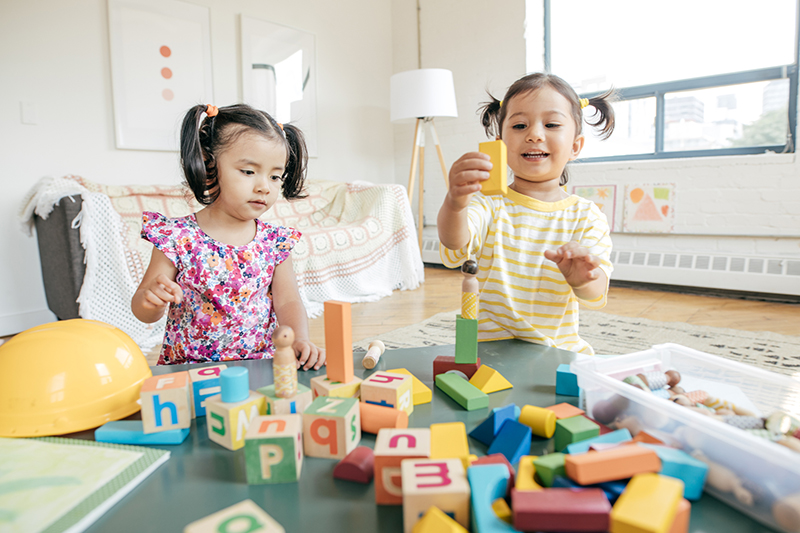
For young children, play is about having fun, learning new skills, and building friendships. While winning can feel exciting, it is more important for children to learn how to play fairly, take turns, and enjoy the experience together.
Games give children opportunities to practise patience, cooperation, and respect for others.
What Is Fair Play?
Fair play means following the rules, taking turns, and treating others kindly. It also involves being honest, respecting boundaries, and giving everyone a chance to participate.
For preschoolers, fair play can be as simple as:
Waiting for their turn
Sharing toys and materials
Following simple game rules
Encouraging friends during play
Being kind whether they win or lose
Helping Your Child Learn Fair Play
Young children are still learning social skills and may need guidance when playing with others. You can support them by:
Choosing games that are suitable for their age and abilities
Keeping rules simple and easy to understand
Praising positive behaviours such as sharing and taking turns
Modelling respectful behaviour yourself
Encouraging children to solve minor disagreements calmly
Children learn a great deal by watching how adults play and interact with others.
Introducing Healthy Competition
Friendly competition can motivate children to try new things and practise their skills. However, preschoolers are still learning to manage their emotions and may find it difficult when they do not win.
Focus on effort, participation, and enjoyment rather than results. Help your child understand that everyone wins sometimes and loses sometimes.
When Your Child Struggles During Games
It is normal for young children to become upset, frustrated, or argue about rules during play.
When this happens:
Stay calm and acknowledge your child's feelings
Remind them of the rules and expectations
Encourage them to take a short break if needed
Talk about what they can do differently next time
Refocus attention on having fun rather than winning
Consistent guidance helps children gradually learn self-control and resilience.
Learning to Win and Lose Graciously
Winning can make children feel proud, while losing can be disappointing. Both experiences offer valuable learning opportunities.
When your child wins:
Encourage them to celebrate respectfully
Discourage boasting or teasing others
Emphasise the fun everyone had playing together
When your child loses:
Acknowledge their feelings
Praise their effort and good behaviour
Highlight skills they used, such as sharing, persistence, or teamwork
These conversations help children build confidence and develop a healthy attitude towards competition.
Building Lifelong Social Skills
Simple games and play activities can teach children important life skills, including cooperation, empathy, resilience, and respect for others. By focusing on fair play rather than winning, parents can help preschoolers develop positive relationships and enjoy playing with others.