Families For Life | Non-Verbal Communication: Body Language and Tone of Voice-Young Children
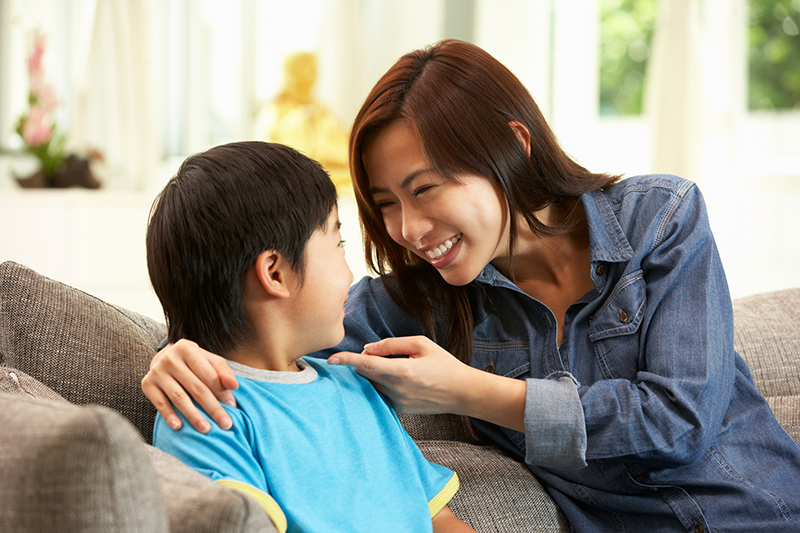
Children learn a lot from what parents do, not just what they say. Facial expressions, body language, eye contact, touch, and tone of voice all send important messages.
Positive nonverbal communication helps children feel loved, valued, and secure. Simple actions such as giving your child your full attention, smiling, making eye contact, or offering a hug can strengthen your bond and show that you care. When your words and actions match, your child is more likely to trust and understand your message.
Children also learn social skills by watching their parents. When you listen attentively, show kindness, and communicate respectfully, your child learns how to interact positively with others.
Simple Ways to Use Positive Nonverbal Communication
Face your child and maintain eye contact when speaking.
Bend down to their eye level to help them feel heard and understood.
Use a warm tone of voice and a relaxed expression.
Gently touch their arm or shoulder to show encouragement and care.
Respond to their emotions with understanding, such as smiling when they are happy or acknowledging when they feel upset.
Give plenty of hugs and affectionate moments.
Fun Family Activities
Help your child recognise feelings and body language through everyday activities:
Watch a television show with the sound muted and guess how characters are feeling.
Practise saying the same sentence using different tones of voice and discuss how it changes the meaning.
Draw facial expressions or use toys to act out different emotions.
Watch age-appropriate movies about emotions and talk about how the characters show their feelings without words.
Helping Your Child Learn Social Skills
You can guide your child to notice personal space and other social cues. For example, if they stand too close to a friend, gently remind them to step back and give others room. Praise them when they remember to do so.
Using Nonverbal Signals to Guide Behaviour
Nonverbal communication can help reinforce positive behaviour. A smile, nod, or thumbs-up can encourage your child when they show kindness, responsibility, or effort.
When correcting behaviour, stay calm and consistent. Speak in a clear, firm voice, maintain eye contact, and get down to your child's level. Make sure your facial expression and tone match your words so your child receives a clear message.
Children understand expectations best when what you say and how you say it are consistent.