Families For Life | Why Play is Important-Young Children
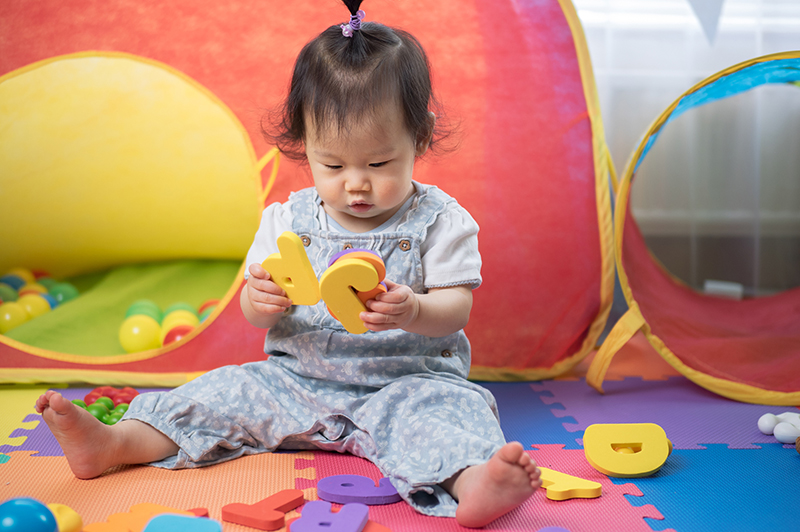
Play is much more than entertainment for young children. It is one of the main ways they learn about themselves, others and the world around them. Through play, children develop important skills that support their learning, relationships and overall well-being.
How Play Helps Children Learn
Regular play experiences help children build confidence, strengthen communication skills and learn how to interact with others. Play also supports physical development, creativity and problem-solving skills.
Spending time playing with your child helps them feel loved and supported. However, children aged 4 to 6 also benefit from opportunities to play independently, explore their own ideas and use their imagination.
Different Types of Play
Both free play and organised activities have an important role in your child's development.
Free play allows children to follow their interests, make choices and create their own games. This type of play encourages imagination, creativity and independence.
Examples include:
Dressing up and pretend play
Building forts with cushions, boxes or blankets
Drawing, painting and craft activities
Exploring playgrounds, parks and outdoor spaces
Structured play involves activities with simple rules or guidance from adults. These can help children develop specific skills while still having fun.
Examples include:
Storytelling sessions at libraries
Dance, music or drama classes
Swimming lessons
Family board and card games
Simple Play Ideas for Preschoolers
Everyday household items such as containers, wooden spoons, old clothes and cardboard boxes can inspire hours of imaginative play. Simple puzzles and matching games help build concentration and memory, while playdough strengthens the hand muscles needed for writing.
Music is another great way to encourage learning. Singing, dancing and creating rhythms with household items can support creativity and coordination.
Outdoor play is equally important. Games involving balls, beanbags or frisbees help children develop balance, coordination and motor skills while staying active.
Some of the best play experiences come from everyday materials and simple family activities. Children often learn more from creating, pretending and exploring than from using expensive toys.
What matters most is having opportunities to play, discover and spend quality time together.
When to Seek Support
Children develop at different rates. However, if your child consistently shows little interest in pretend play, avoids interacting with other children, or rarely engages in play activities, consider speaking with your child's preschool educator, GP or healthcare professional for advice.
Key Takeaway
By making play a regular part of family life, you can support your child's learning, creativity and confidence while creating meaningful moments together.