Families For Life | Outdoor Play-Toddlers
Outdoor activities and sunlight can help in reducing myopia in your child. Outdoor play also helps your child to be active and learn about social interaction and cooperation when playing with others.
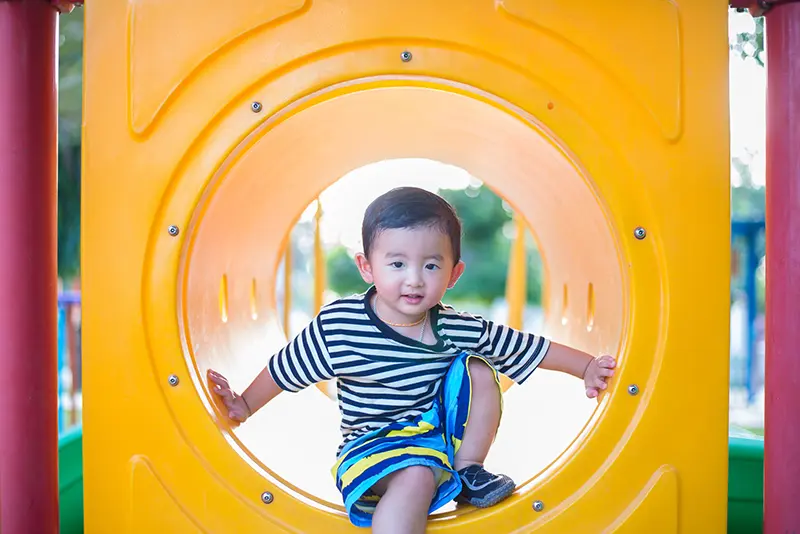
Outdoor play is one of the best ways for toddlers to learn, move and explore. Whether it is at a playground, park or open space, spending time outdoors supports your child's physical, social and emotional development.
Why Outdoor Play Matters
Outdoor play gives toddlers space to move freely and practise new skills. Running, climbing, balancing and exploring help strengthen muscles, build coordination and boost confidence. Being outdoors also encourages curiosity. Your child can discover different sights, sounds, textures and experiences while learning about the world around them.
Easy Ways to Enjoy Outdoor Play
You do not need special equipment or a large outdoor space. Simple everyday activities can provide plenty of opportunities for outdoor fun:
Visit a nearby playground or park.
Water plants together.
Collect leaves, flowers or sticks during a walk.
Watch birds, insects or passing vehicles.
Take short walks and chat about what you see around you.
Regular outdoor time can also help toddlers burn energy, sleep better and enjoy a break from screens.
Outdoor Play Ideas for Toddlers
Toddlers learn best through active play. Try activities such as:
Throwing, rolling and chasing balls
Blowing and chasing bubbles
Pushing or pulling ride-on toys
Running around trees or open spaces
Exploring grass, sand or natural materials
Jumping in puddles after the rain
Playing with water under close supervision
Let your child choose activities that match their interests and abilities.
Learning Through Exploration
Outdoor play allows toddlers to test their skills and solve simple challenges. They may try climbing a little higher, balancing on a low curb or exploring a new play area. These experiences help children:
build confidence
develop problem-solving skills
learn their physical limits
become more independent
Small bumps and falls are often part of learning. With your supervision and support, your child can gradually develop resilience and confidence.
Staying Safe Outdoors
While encouraging exploration, keep safety in mind:
Supervise your child closely, especially near water.
Choose play areas suitable for your child's age.
Dress your child appropriately for the weather.
Apply sun protection when spending time outdoors.
Making Outdoor Play a Daily Habit
Aim to include outdoor play in your toddler's daily routine whenever possible. Even a short trip outside can support learning, movement and wellbeing.
Key Takeaway
Outdoor play gives toddlers the chance to move, explore and learn through hands-on experiences. Regular time outdoors helps build confidence, physical skills and a lifelong love of being active.