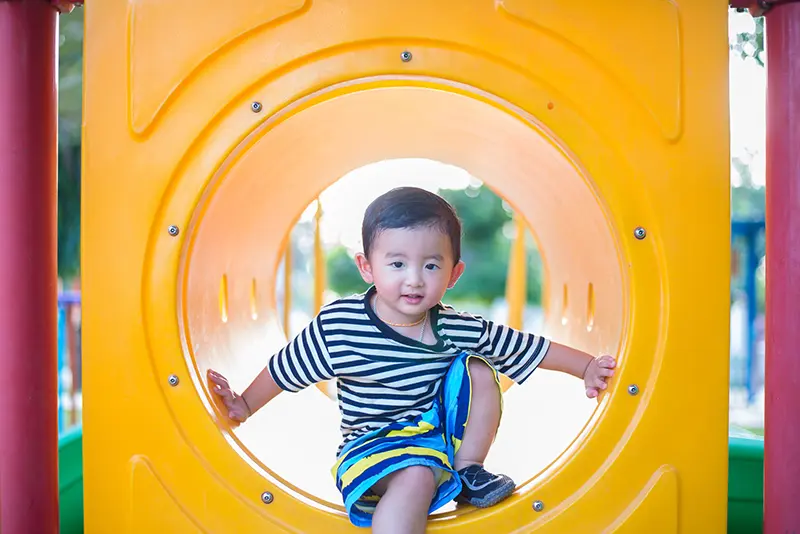
Families For Life | Playground Safety: Children 1-8 Years-Young Children
Playgrounds are exciting places where young children can run, climb, jump and explore. Outdoor play helps children develop strength, balance and coordination, while also building confidence, independence and social skills.
As children aged 4 to 6 become more adventurous, they may be eager to tackle taller slides, climbing frames and monkey bars. While most playground injuries are minor, such as cuts and bruises, falls from equipment can sometimes result in sprains, fractures or other injuries. In Singapore, public playgrounds are built to meet safety standards, but attentive supervision is still the best way to help children play safely.
Supporting Safe and Confident Play
Children in this age group are learning to assess risks, but they may not always recognise what is safe or unsafe. Staying nearby allows you to guide them when needed while giving them the freedom to explore and practise new skills.
You can also use playground visits as opportunities to teach your child simple safety habits, such as taking turns, waiting patiently and using equipment as intended.
Playground Safety Tips
Encourage Age-Appropriate Challenges
Choose equipment that matches your child's abilities and confidence level. Allow them to try new activities gradually rather than rushing into the most challenging structures.
Keep an Eye on Higher Equipment
Monkey bars, climbing nets and elevated platforms are often where falls occur. Remind your child to hold on securely and move carefully when climbing.
Check the Playground Surface
Before play begins, take a quick look at the ground around the equipment. Well-maintained rubber flooring or impact-absorbing surfaces can help reduce the severity of injuries from falls.
Dress for Active Play
Comfortable clothing and covered shoes with good grip can help your child move safely and confidently around the playground.
Teach Playground Courtesy
Encourage your child to be aware of others. Taking turns on slides, waiting for swings to stop and giving others space to play can help prevent accidents.
Talking About Safe Risks
Playgrounds provide valuable opportunities for children to challenge themselves. Rather than preventing all risks, help your child learn how to assess situations and make safe choices. For example, encourage them to check their footing before climbing or think about whether a jump is within their abilities.
With guidance and support, children can develop confidence while learning to manage risks responsibly.
After a Fall
Minor bumps and scrapes are a normal part of childhood. Offer reassurance and check for signs of injury. If your child has significant pain, swelling, difficulty moving a limb or a suspected head injury, seek medical attention promptly.
Key Takeaway
Playgrounds help children stay active, build resilience and develop important physical and social skills. By staying involved, choosing suitable equipment and teaching simple safety habits, you can help your child enjoy safe and confident outdoor play.