Families For Life | Crying: Babies and Children 0-8 Years-Young Children
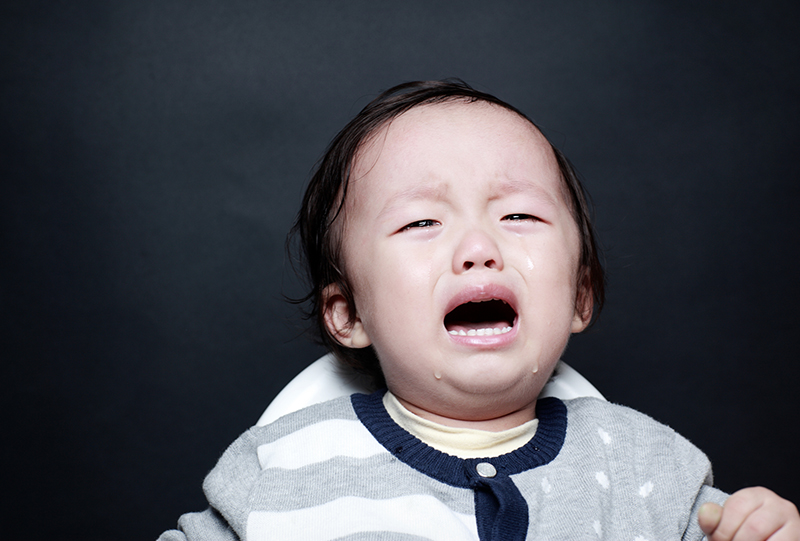
As children grow, they become better able to express their feelings with words, so crying usually becomes less frequent. However, children aged 4 to 6 may still cry when they feel sad, disappointed, hurt, frustrated, or overwhelmed.
Parents can help by encouraging their child to talk about their feelings. Once your child has calmed down, gently ask what is upsetting them and show that you understand. For example, you might say, “You seem disappointed because your friend didn’t want to play with you.”
When your child is upset, acknowledge their feelings and help them think of positive ways to handle the situation. This supports problem-solving skills and teaches them healthy ways to manage emotions.
It is also important for children to know that crying is normal. Tears can be a healthy response to sadness, pain, disappointment, or loss. When your child cries, offer comfort, reassurance, and a listening ear instead of dismissing their feelings.
If your child seems unusually sad or cries frequently over a long period, consider seeking advice from a healthcare professional.
Looking After Yourself
Parenting can be demanding, especially when your child is going through an emotional phase. If you feel overwhelmed, take a short break when your child is safe and calm, and reach out to your spouse, family members, or friends for support. Asking for help is a positive step for both you and your child.
Never respond to a child's crying with physical punishment or aggression.
When Children See You Cry
Children learn how to express emotions by watching their parents. Seeing you show sadness appropriately can help them understand that everyone has feelings. It also teaches them that emotions can be expressed in healthy ways. However, if you often feel tearful, overwhelmed, or persistently low in mood, consider seeking professional support.