Families For Life | Starting School: Enrolling and Preparing Your Child
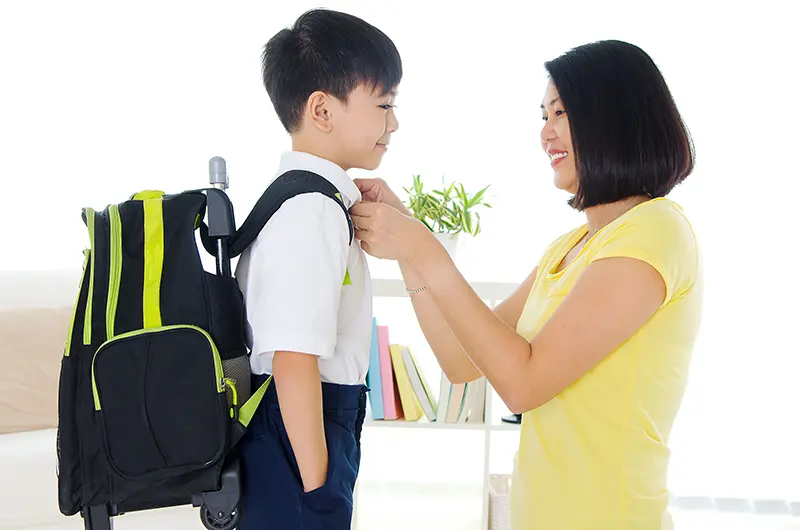
Starting primary school is an exciting milestone for children and parents alike. It marks the beginning of new experiences, friendships and learning opportunities. While the transition can feel daunting, a little preparation can help your child feel confident and ready for this next stage.
Helping Your Child Feel Familiar with School
Children often feel more comfortable when they know what to expect. Before school starts, visit the school together if possible. Show your child important places such as the classroom, canteen, toilets, assembly area and pick-up point.
Talk about what a typical school day might look like and explain simple classroom expectations, such as listening to the teacher, taking turns and asking for help when needed. Knowing what to expect can ease first-day nerves.
If your child will be attending student care after school, show them where it is and explain how the daily routine will work.
Getting Ready at Home
Practical preparation can help your child feel more confident and independent.
Before school begins:
Let your child try on their uniform and shoes.
Practise opening food containers and water bottles independently.
Label personal belongings clearly.
Prepare the school bag, stationery and other items needed for the first day.
Giving your child opportunities to manage simple tasks independently can build confidence before school starts.
Supporting Your Child Emotionally
Children often look to their parents for reassurance. Speak positively about school and show enthusiasm about this new experience.
You can also:
Arrange playdates with future classmates if possible.
Read storybooks about starting school together.
Encourage your child to share their thoughts and feelings about going to school.
Reassure them that it is normal to feel excited, nervous or uncertain.
Parents may also experience mixed emotions during this transition. Try to stay calm and confident in front of your child, as your attitude can influence how they feel about school.
Helping Your Child Adjust During the First Few Weeks
The first few weeks of school can be tiring as children adapt to new routines, learning environments and friendships.
To provide support:
Arrive on time for school drop-off and pick-up.
Set aside time each day to chat about school.
Offer a healthy snack after school if your child is hungry.
Be patient if your child wants to share every detail or very little about their day.
Maintain a consistent bedtime routine to ensure adequate rest.
Rather than asking many questions, try simple prompts such as, "What was your favourite part of today?" This often encourages more natural conversations.
Give Friendships Time to Develop
It can take time for children to form close friendships. Some children make friends quickly, while others need longer to settle in. This is completely normal. Focus on whether your child generally seems happy and comfortable at school rather than expecting immediate academic progress or strong friendships in the first few weeks.
If your child frequently seems unhappy, reluctant to attend school, or mentions teasing or bullying, speak with their teacher early so any concerns can be addressed.
Key Takeaway
Starting primary school is a significant adjustment. Your child may feel more tired than usual as they adapt to a new routine. Consider keeping after-school schedules simple during the first term and prioritising rest, family time and play.
With encouragement, patience and a positive attitude, most children gradually settle into school and begin to enjoy the many opportunities it offers. Your support during this transition can help your child develop the confidence and resilience needed for a successful start to their school journey.