Families For Life | Thinking: Preschoolers
Between ages 4 and 6, children become more curious and independent. They start to understand simple concepts such as size, colour, and time, and begin to organise games with friends. Many children also develop a love for jokes, riddles, and imaginative play.
At this age, children often ask lots of “why” and “how” questions as they try to understand the world. While they can concentrate for longer periods than before, they may still lose interest if an activity feels too difficult or lasts too long.
If your child has recently started preschool or kindergarten, they may need time to adjust to new routines, rules, and friendships. Patience, encouragement, and regular communication with teachers can help make the transition smoother.
Simple Play Ideas to Support Learning
You do not need expensive toys to support your child's cognitive development. Everyday activities can be just as effective.
Read storybooks together and talk about the characters and events. Ask questions such as, “What do you think will happen next?” to encourage thinking and imagination.
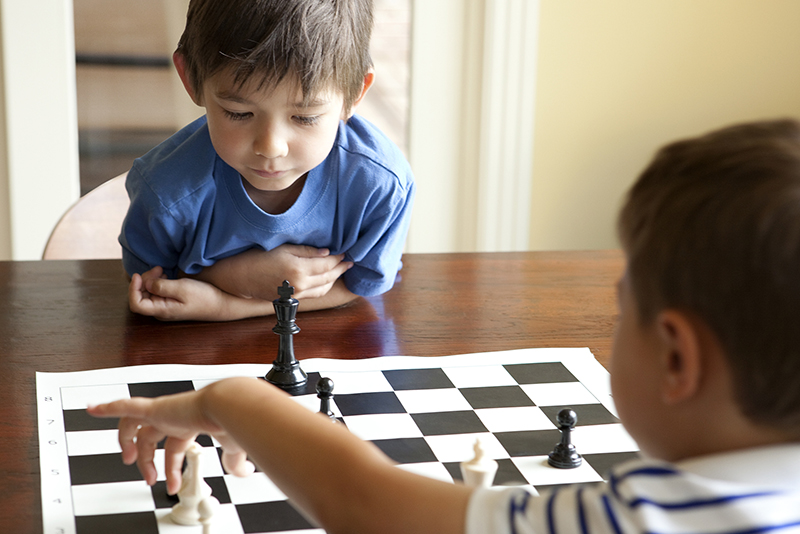
Play simple board games, card games, or age-appropriate puzzles. These activities help children practise memory, concentration, turn-taking, and problem-solving.
Construction toys such as building blocks and magnetic tiles encourage creativity and spatial awareness. Children learn to plan, experiment, and find solutions when structures do not work as expected.
Singing action songs, playing guessing games, or spotting colours, shapes, and objects while travelling on the MRT or bus can also make learning fun and interactive.
Let Your Child Take the Lead
Children learn best through hands-on experiences. Rather than rushing to solve problems for them, offer encouragement and allow them to try different solutions on their own. This helps build confidence, resilience, and independent thinking.
Creating a Healthy Environment for Learning
A balanced lifestyle supports healthy brain development. Make time for active play, family interactions, and regular sleep. It is also helpful to set reasonable limits on screen use and encourage a variety of offline activities such as reading, outdoor play, arts and crafts, and imaginative games.
When to Seek Support
Every child develops at their own pace. However, if your child continues to struggle with learning, has significant difficulty adjusting to preschool, or seems unusually upset or withdrawn after several weeks, consider speaking with their teacher or a healthcare professional.
Key Takeaway
For children aged 4 to 6, play is much more than entertainment. Through games, stories, conversations, and everyday experiences, children develop the thinking skills they need for school and life. By providing opportunities for play and spending time learning alongside them, you can help your child grow into a confident and curious learner.